

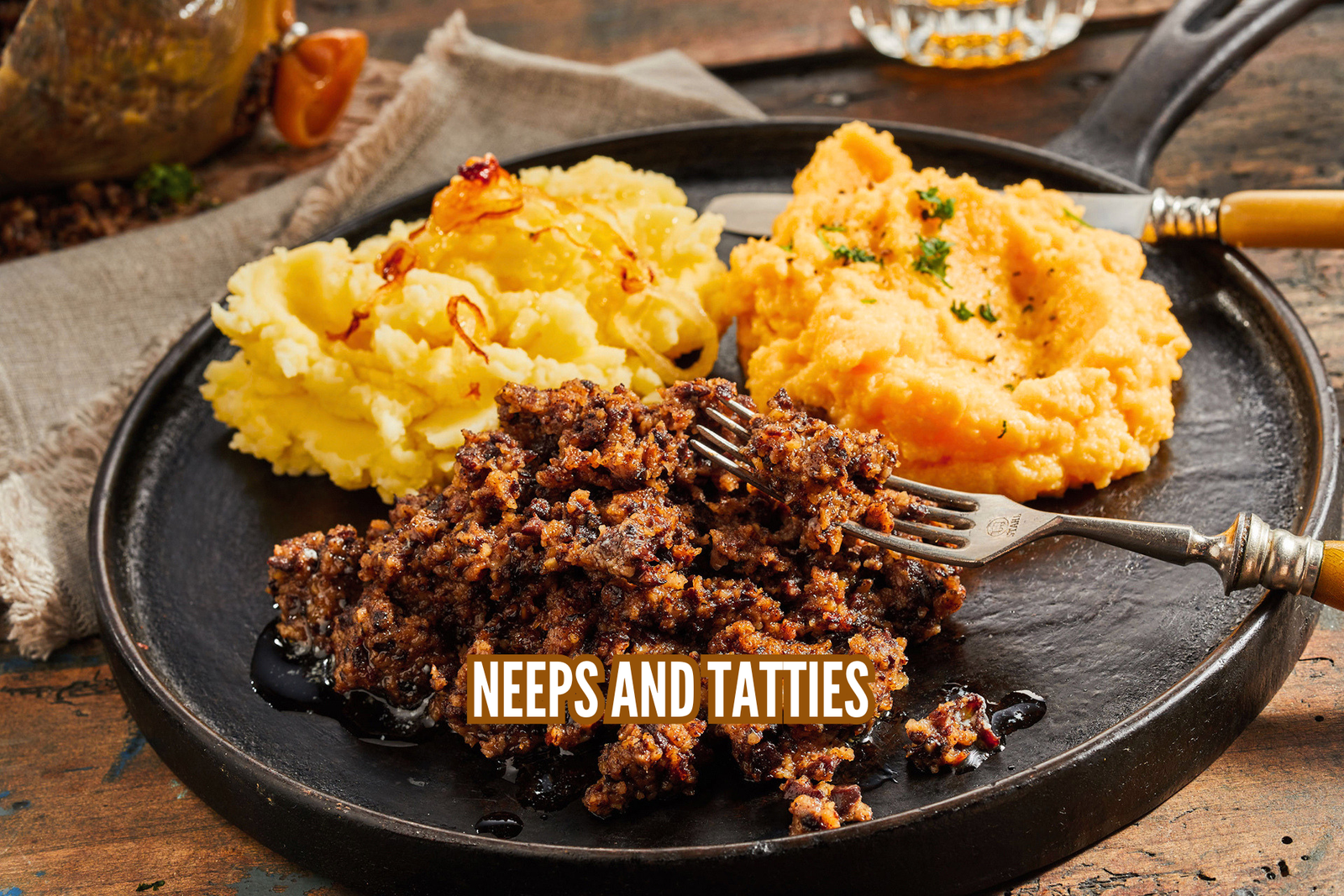
Scotland is a land of bold landscapes, deep traditions, and flavours that speak to history. Among its most beloved culinary treasures is a dish with a deceptively simple name: neeps and tatties. To someone unfamiliar with Scottish dialect, that phrase might sound curious, unusual, or even whimsical. But to Scots — and to lovers of hearty, rustic food around the world — neeps and tatties are much more than a side dish. They are a symbol of culture, connection, and comfort.
In this article, we’ll explore what neeps and tatties really are, where the phrase comes from, how it’s traditionally prepared, its place in Scottish celebrations, and why it continues to hold so much meaning today. This is an in-depth, informative look written in a way that feels like a conversation with someone who truly appreciates Scottish cuisine.
What Are “Neeps and Tatties”?
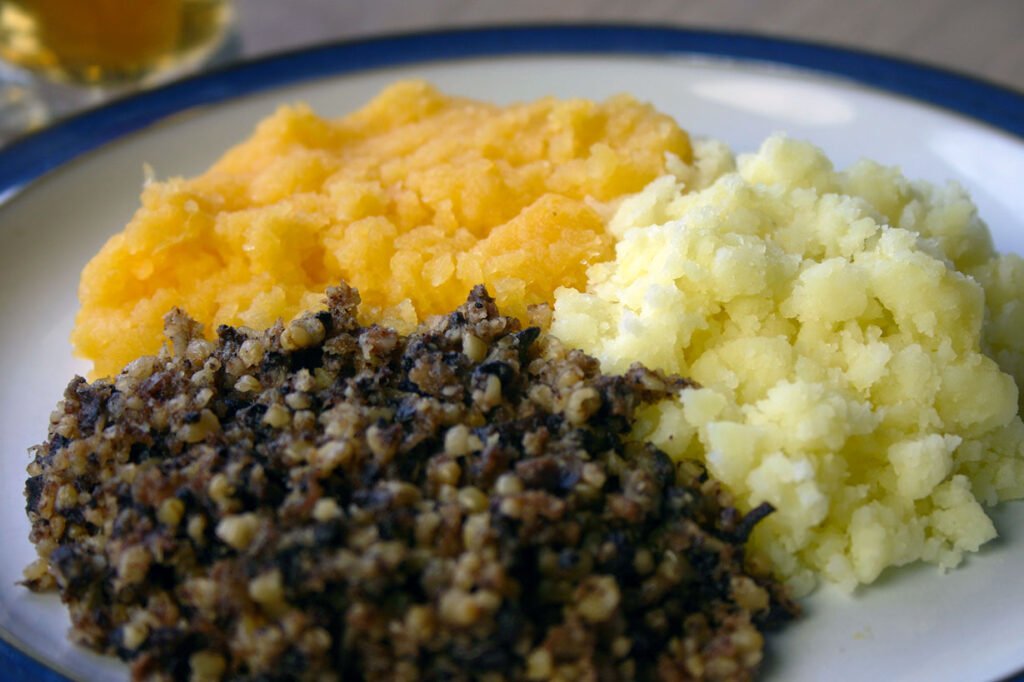
At first glance, the words seem playful — like characters from a children’s book. In truth, they are rooted in the Scots language. “Neeps” refers to rutabagas, a type of root vegetable also called swede in the UK, while “tatties” is the Scots word for potatoes. Together, neeps and tatties describe mashed rutabaga and mashed potatoes served side by side on a plate. In their purest form, these vegetables are simply prepared — boiled and mashed with butter, salt, and pepper. But that simplicity is precisely the point: the flavours are honest, earthy, and comforting, reflecting the rugged Scottish countryside where root vegetables thrive.
Origins: How a Humble Dish Became Iconic
Neeps and tatties have long been part of life in Scotland, where the cold climate and short growing season favored hardy, starchy crops that could withstand harsh winters. Potatoes arrived in Scotland in the late 16th century and quickly became a staple. Rutabagas, a hybrid of cabbage and turnip, followed a bit later and were prized for their resilience and nutritional value. Over generations, working families embraced these crops not just for survival but for sustenance that satisfied deeply. As daily fare, neeps and tatties became inseparable from Scottish identity — food tied to the land, to community gatherings, and to celebrations.
Neeps and Tatties at Burns Night
Today, neeps and tatties are most closely associated with Burns Night, an annual celebration held on January 25th to honour Robert Burns, Scotland’s national poet. Burns Night suppers are lively, ritual-filled gatherings where friends and families come together to recite poetry, share stories, and enjoy traditional food. The centerpiece of the meal is usually haggis, a savoury pudding made with sheep’s offal, oatmeal, and spices. Alongside the haggis, neeps and tatties provide balance — their mild sweetness and creamy texture cushioning the bold, peppery flavour of the main dish. During these evenings, the meal is served with formality and flair. There are speeches, poetry recitals (including Burns’ own Address to a Haggis), and toasts with whisky. In this context, neeps and tatties are not side dishes — they are honoured companions in a grand cultural ritual.
| Attribute | Details |
|---|---|
| Name | Neeps and Tatties |
| Type | Traditional Scottish dish |
| Main Ingredients | Rutabagas (neeps) and potatoes (tatties) |
| Origin | Scotland |
| Popular Occasion | Burns Night celebrations |
| Taste | Creamy, earthy, slightly sweet |
| Cooking Method | Boiled and mashed |
| Diet | Can be vegetarian or vegan |
| Cultural Significance | Symbol of heritage, family traditions, and gatherings |
The Taste and Texture
If you’ve never tried neeps and tatties, imagine the contrast of flavours and textures. Tatties (mashed potatoes) are soft, fluffy, and creamy. They carry butter beautifully and have a familiar, comforting taste that almost everyone recognizes. Neeps (mashed rutabaga), on the other hand, are denser and slightly sweet, with hints of earthiness and subtle spice. The texture is firmer than potatoes, giving them character and depth. When eaten together, the two mash varieties complement each other perfectly. The tatties soothe with their creamy softness, while the neeps offer a gentle punch of flavour that keeps your palate engaged. No elaborate sauces or spices are needed — simple seasoning lets the vegetables shine in their natural glory.
Modern Variations and Cooking Tips
Over time, cooks have put their own spins on neeps and tatties. The classic Scottish version involves boiling peeled root vegetables until tender, mashing them separately with butter, cream, salt, and pepper, and then serving them side by side. Some chefs like to elevate the dish with fresh herbs such as parsley or chives, which subtly enhance the flavour without overpowering it. Others add garlic-infused butter to create a richer, aromatic taste. Vegan or dairy-free variations are increasingly popular, using plant-based butter and a splash of oat or almond milk for creaminess. Presentation touches, such as a swirl of gravy, a sprinkle of cracked black pepper, or a garnish of fresh parsley, can make this humble dish feel special and festive.
Nutrition and Health
Root vegetables like potatoes and rutabagas are not only delicious but also nourishing and satisfying. Potatoes are rich in potassium, vitamin C, and dietary fibre, while rutabagas bring vitamin C, manganese, and antioxidants to the table. Both are naturally gluten-free and very filling, making them an ideal component of a wholesome, hearty meal. In a world where many modern meals lean heavily on processed ingredients, neeps and tatties stand out as comfort food rooted in the earth — literally and figuratively.
Why This Dish Matters Culturally
There’s a reason neeps and tatties still hold a special place in Scottish homes and hearts. They remind people of family traditions — shared meals with grandparents, parents, and children. They reflect seasonal rhythms — harvests, winter cooking, and gatherings around the table. They also embody cultural heritage — Burns Night celebrations, ceilidhs (traditional social gatherings), and community feasts. Food is rarely just food; it is memory, identity, ritual, and belonging. In Scotland, neeps and tatties are all of that — humble ingredients transformed into dishes that anchor celebrations, conversations, and connections.
Common Myths and Misunderstandings
Because the dish is deeply rooted in Scottish language and tradition, people outside the UK sometimes misunderstand the terms. “Neeps” are not turnips; while similar, rutabagas are larger, denser, and sweeter than white turnips. This dish is not always served with haggis; although traditional during Burns Night, neeps and tatties can be enjoyed any time of year with meats, stews, or even on their own. And finally, it’s not a person or character; despite the playful sound of the phrase, neeps and tatties refer only to the vegetables and the mash, not to any individual.
Serving Suggestions and Pairings
If you’re planning to serve neeps and tatties at home, there are several ways to elevate the experience. They pair beautifully with roast beef, lamb, pork, or chicken, especially when accompanied by a rich gravy. In Scotland, some cooks prepare whisky-infused gravy to bring sweetness and warmth, tying the mash and meat together harmoniously. Oven-roasted root vegetables like carrots, parsnips, and beets can also round out the plate, adding colour and texture while keeping the meal rooted in traditional flavours.
Making Neeps and Tatties at Home: A Simple Guide
For those unfamiliar with Scottish kitchens, here is a straightforward recipe. Peel and chop one pound each of potatoes and rutabagas. Boil them separately in water until tender, then drain and steam dry for a minute. Mash each vegetable with butter and, optionally, a splash of cream or milk. Season with salt and pepper to taste. Serve the neeps and tatties side by side, and you have a plate that is humble in preparation but rich in tradition and flavour. The beauty of this dish lies in its simplicity, yet it holds the essence of Scottish culinary history.
Final Thoughts:
Neeps and tatties may sound simple, but in their simplicity lies their power. They are an invitation into Scottish culture — into a way of eating that honours ingredients, celebrates gatherings, and cherishes connection around the table. Whether you’re planning a Burns Night celebration, exploring Scottish cuisine for the first time, or simply seeking hearty comfort food, neeps and tatties are a timeless classic worth knowing. Their story reminds us that food, at its best, nourishes not just the body, but the heart and soul as well.
FAQs
Q: What exactly are neeps and tatties?
A: Neeps are rutabagas and tatties are potatoes, usually mashed and served together.
Q: Are neeps and tatties always served with haggis?
A: No, they can be served with various meats or on their own.
Q: How do neeps and tatties taste?
A: Tatties are creamy, and neeps are sweet and earthy.
Q: Can neeps and tatties be made vegan or dairy-free?
A: Yes, using plant-based butter and milk alternatives.
Q: Why are neeps and tatties important in Scottish culture?
A: They represent heritage, family meals, and Burns Night traditions.
