


Introduction
The Engineering Employers Federation is a historic industrial organization that played a major role in shaping the development of engineering and manufacturing industries in the United Kingdom. The Engineering Employers Federation is often misunderstood as a personal profile by many online searches, but in reality it is not a person. It is a collective employers’ association that represented engineering companies and helped structure industrial relations for more than a century.
The Engineering Employers Federation became especially important during Britain’s industrial growth, when factories, shipyards, and engineering works were expanding rapidly. At the same time, labor unions were becoming more organized, and disputes between workers and employers were increasing. In this environment, the federation emerged as a stabilizing institution that aimed to create balance, negotiation systems, and consistent industrial standards across the sector.
Origins and Early Development
The story of the Engineering Employers Federation begins in 1896, a period when Britain was one of the most industrially advanced nations in the world. Engineering was at the heart of this growth, supporting infrastructure, transportation, military production, and heavy manufacturing. However, this rapid expansion also created tension between employers and workers, especially over wages and working conditions.
The Engineering Employers Federation was formed as a response to these challenges. Employers realized that individual negotiations with trade unions were often inconsistent and could lead to widespread disruption. By forming a centralized federation, engineering companies could present a unified position and create more structured industrial agreements.
From its early years, the Engineering Employers Federation represented a wide range of engineering firms, from small workshops to large industrial manufacturers. Its purpose was not to produce goods, but to coordinate policies, support employers, and ensure industrial stability across the engineering sector.
Role in the Engineering Sector
The Engineering Employers Federation played a key role in organizing the engineering industry during a time of major economic and technological change. It acted as a central body that supported employers in managing workforce relations, employment standards, and industrial policies.
One of its most important contributions was creating consistency in employment practices. Before its formation, engineering companies often followed different rules regarding wages, working hours, and labor conditions. This inconsistency often led to disputes and inefficiencies. The federation helped establish standardized agreements that made industrial operations more predictable and structured.
The Engineering Employers Federation also provided expert advice to companies, particularly smaller firms that lacked resources to handle complex labor negotiations. It guided employers on legal matters, workforce management, and industrial regulations, helping them operate more effectively within a rapidly changing economy.
| Field | Details |
|---|---|
| Name | Engineering Employers Federation |
| Type | Employers’ Industrial Association |
| Founded | 1896 |
| Country | United Kingdom |
| Industry | Engineering & Manufacturing Sector |
| Purpose | Represent engineering employers and manage industrial relations |
| Main Role | Collective bargaining, employer coordination, labor negotiations |
| Members | Engineering and manufacturing companies (UK-based) |
| Key Function | Industrial dispute resolution and employer representation |
| Trade Union Interaction | Negotiated wages, working hours, and labor conditions |
| Government Role | Advisory body for industrial and labor policy |
| Wartime Role | Coordinated engineering production during WWI & WWII |
| Modern Name | Make UK |
| Current Status | Evolved into modern manufacturing organization |
| Net Worth | Not applicable (non-profit employer federation) |
| Family / Siblings | Not applicable (not a person) |
| Height / Physical Info | Not applicable |
| Social Media | No personal accounts (modern successor: Make UK has official channels) |
Industrial Relations and Labor Negotiation
A major function of the Engineering Employers Federation was its involvement in industrial relations. During the late nineteenth and twentieth centuries, labor unions in Britain became increasingly powerful, especially in engineering and manufacturing sectors. Strikes and wage disputes were common, and these conflicts often disrupted production on a large scale.
The Engineering Employers Federation acted as the main negotiating representative for employers in discussions with trade unions. Instead of individual companies negotiating separately, the federation created a unified voice for the entire industry. This approach allowed for more structured and consistent negotiations.
By centralizing discussions, the federation helped reduce fragmentation and confusion in industrial agreements. While conflicts between employers and workers still occurred, the Engineering Employers Federation contributed to more stable long-term agreements, particularly in sectors such as shipbuilding, automotive engineering, and heavy machinery production.
Influence on Government and Policy
The Engineering Employers Federation also had a strong influence on government policy in the United Kingdom. Because it represented a large portion of the engineering industry, policymakers frequently consulted it when developing laws related to labor, industry regulation, and economic planning.
Its role became even more important during major historical events such as the First and Second World Wars. During these periods, engineering production was essential for national defense and infrastructure. The federation helped coordinate industrial output, manage labor distribution, and ensure that production targets were met efficiently.
Through its advisory role, the Engineering Employers Federation contributed to shaping policies that affected not only engineering but also the broader industrial economy. Its insights were valued because they reflected real-world industrial conditions and employer needs.
Expansion and Industrial Modernization
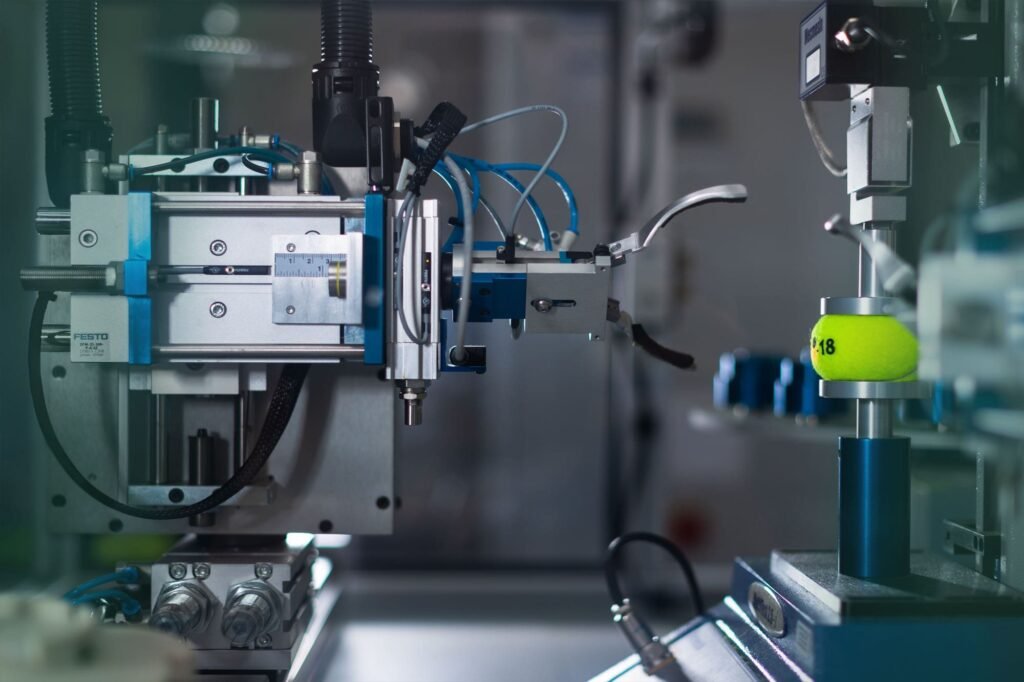
As the twentieth century progressed, the Engineering Employers Federation expanded its scope beyond traditional labor relations. The industrial world was changing rapidly due to globalization, technological advancement, and new manufacturing methods. To remain relevant, the federation adapted its services and responsibilities.
It began offering legal support, human resource guidance, training programs, and industrial research. It also played a role in encouraging innovation within the engineering sector, helping companies modernize their production processes and adopt new technologies.
Over time, the Engineering Employers Federation evolved into a more comprehensive business organization that not only handled negotiations but also supported long-term industrial development and competitiveness.
Transition and Modern Identity
In 2019, the organization that originated as the Engineering Employers Federation underwent a major transformation and rebranded itself as Make UK. This change reflected the evolution of British manufacturing, which had moved beyond traditional engineering into advanced technologies, digital production systems, and sustainable industrial practices.
Despite the name change, the core mission remains similar. The modern organization continues to support manufacturers, provide policy guidance, and promote skills development across the industry. The legacy of the Engineering Employers Federation is still visible in its structure, values, and long-standing role in industrial development.
Misunderstandings About Identity
A common misunderstanding occurs when people search for the Engineering Employers Federation as if it were a person. This often leads to expectations of personal information such as age, height, family background, or social media presence. However, the organization is not a human being and does not possess any personal attributes.
It has no physical appearance, no personal life, and no family structure. It does not have personal financial status or lifestyle characteristics. It also does not maintain individual social media accounts, as it is an institutional body rather than a person.
This confusion typically arises from search behavior that treats all names as personal identities, even when they refer to organizations or institutions.
Historical Legacy and Long-Term Impact
The Engineering Employers Federation left a lasting legacy in British industrial history. Its most important contribution was creating a structured system for industrial relations that balanced the interests of employers and workers. This system helped reduce industrial conflict and supported the stable growth of engineering industries during periods of rapid change.
It also influenced the development of training systems, workplace standards, and collective bargaining frameworks that are still reflected in modern industrial practices. Many of its approaches to negotiation and employer coordination became models for other industries beyond engineering.
The transformation of the Engineering Employers Federation into Make UK ensures that its influence continues in the modern era. Its principles still guide how manufacturing organizations operate, adapt, and compete in a global economy.
Conclusion
The Engineering Employers Federation stands as one of the most important institutions in the history of British industry. From its founding in 1896 to its modern evolution, it played a central role in shaping industrial relations, supporting engineering companies, and influencing government policy.
Its structured approach to negotiation and industrial coordination helped stabilize a rapidly growing industrial economy and created systems that remain relevant today. Although it is often misunderstood as a personal identity, it is in fact a powerful collective organization with a deep and lasting impact on industrial development.
The legacy of the Engineering Employers Federation continues through its modern successor, ensuring that its historical importance remains alive in today’s manufacturing and engineering world.
