

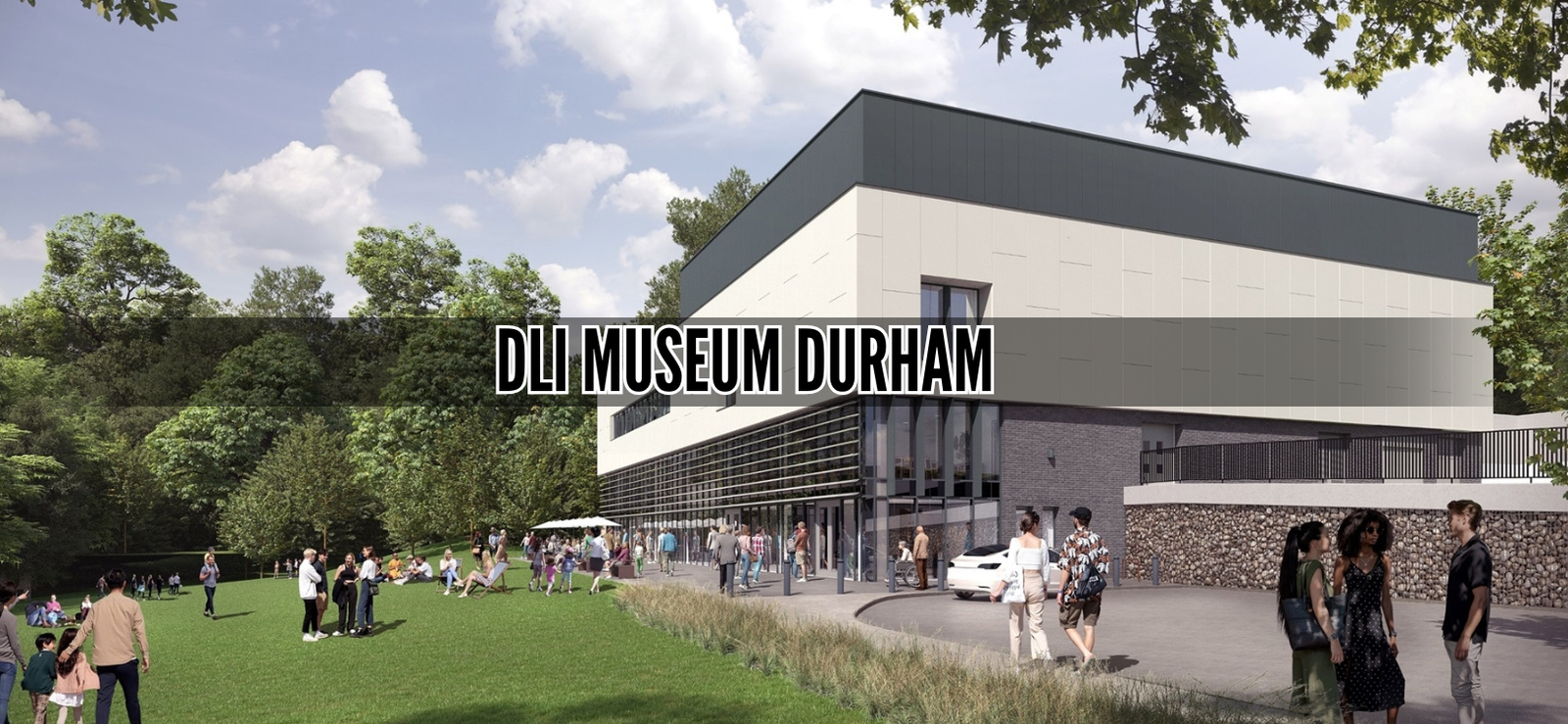
The DLI Museum Durham stands as one of the most unforgettable cultural and historical institutions in the United Kingdom. For decades, it preserved the legacy of the Durham Light Infantry — a regiment rooted in bravery, local community, and worldwide service. Although the museum has undergone closures, transformations, and rebirths, its heritage continues to thrive through new cultural spaces that honor the past while engaging today’s visitors.
In this article, we explore the origin, evolution, and contemporary resurgence of the DLI Museum Durham, telling the story of its collection, meaning, community impact, and place in modern heritage.
Beginnings: A Regiment and Its Story
Long before the DLI Museum Durham existed as a physical space, the heart of what it would become was already alive in tradition and service. The Durham Light Infantry (DLI) regiment was officially formed in 1881 by amalgamating two historic British Army units — the 68th and 106th Regiments of Foot. From that point, it served across continents and conflicts, including the Boer War, both World Wars, and numerous other engagements.
Soldiers from County Durham brought to the regiment a profound connection to home communities. They weren’t just servicemen; they were sons, fathers, daughters, and neighbors. Each uniform, letter, or photograph from that era carried not only historical relevance but deep personal meaning. These human stories — of courage in battle, longing for peace, and sacrifice for country — laid the foundation for what would ultimately be commemorated in a museum.
Creation of the DLI Museum Durham
In 1969, the Durham Light Infantry Museum & Durham Art Gallery opened at Aykley Heads, Durham, marking a major cultural milestone for the region. For the first time, the public could explore the regiment’s rich collection in one dedicated space.
The museum’s design was striking for its era — bold concrete and glass emphasized openness and modernity, yet the exhibits within held echoes from centuries earlier. Its founders intended the space to do more than display relics. It was meant to be a living tribute to those who served and the communities from where they came.
From day one, the DLI Museum Durham offered visitors a journey into the lives of soldiers — not simply through objects, but through intimate stories. At its heart were uniforms that bore battle scars, personal letters home, medals earned through valor, and rare photographs that captured moments of both tragedy and triumph.
| Attribute | Details |
|---|---|
| Name | DLI Museum Durham |
| Type | Military & Art Museum |
| Location | Durham, England |
| Founded | 1969 |
| Closed | 2016 (original building) |
| Collections | Uniforms, medals, letters, photographs, oral histories |
| Reopened / Current Display | Key exhibits at Palace Green Library & The Story |
| Future Plan | Reopening as “The Light” in spring 2026 |
| Focus | Durham Light Infantry history & community heritage |
| Significance | Preserves soldier stories, local history, and cultural heritage |
A Collection Filled With Personal History
What set the DLI Museum Durham apart was its commitment to preserving human history alongside military history. Instead of presenting dry facts, it placed visitors into empathetic contact with the lived experiences of the men and women behind the service records.
Among the most poignant pieces were:
- Original uniforms and battle gear worn by soldiers in World War I and II.
- Diaries and letters sent home from the front lines, offering firsthand accounts of hardship and bravery.
- Medals and commendations, representing sacrifices made by individuals from Durham and beyond.
These artifacts transformed the museum into a bridge between generations. Visitors didn’t just learn about battles — they understood the human stakes behind them.
In addition to military heritage, the museum building also incorporated the Durham Art Gallery, which featured rotating exhibitions, creative workshops, and community events, making the location a hub of both historical learning and artistic exploration.
Challenges and Closure
Despite its cultural importance, the DLI Museum Durham faced growing financial pressures and declining visitor numbers over time. In 2016, after nearly five decades of operation, the museum was forced to close its doors — a decision that saddened local historians, veterans’ families, and heritage advocates.
The closure sparked community debate and concern about the future of the collection. What would happen to the thousands of objects, documents, and stories carefully preserved over generations? Would the heritage of the Durham Light Infantry vanish into archives inaccessible to the public?
Answering those questions became a priority for heritage bodies, local government, and the community. Creative solutions were needed to preserve the legacy of the DLI Museum Durham and keep its stories alive.
Temporary Homes, Lasting Legacy
In the years following the museum’s closure, key pieces of the collection were placed on display in alternative settings to ensure continued public access. In 2017, a significant milestone occurred when a new gallery titled “Courage, Comrades, Community” opened at Palace Green Library in Durham city.
This new gallery showcased a selection of objects from the original museum’s holdings — including uniforms, medals, and personal stories — allowing visitors to engage with the regiment’s history in a central and accessible location.
In addition to Palace Green Library, the DLI Museum Durham collection was also shared through regional exhibitions. Veteran organizations and historians worked collaboratively to digitize portions of the archive, making it accessible online and through educational programs.
The Story: A Modern Heritage Centre
Perhaps the most significant development in the post‑closure era came in June 2024, when the entire Durham Light Infantry Collection was relocated to a new, groundbreaking heritage centre called The Story.
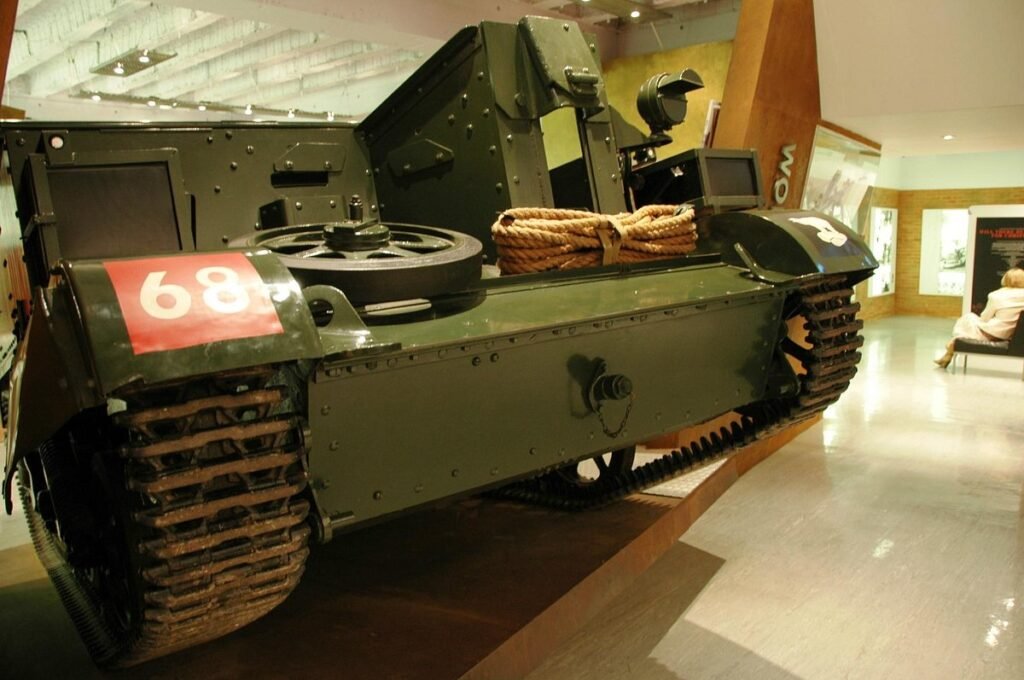
The Story is not a military museum alone but a broad interpretive space celebrating regional history, culture, and identity. It houses over 15,000 objects related to the regiment from 1758 to 1968, including uniforms, weaponry, oral histories, vehicles, medals, letters, and photographs.
This relocation marked a major step in preserving the legacy of the DLI Museum Durham, allowing deeper research and broader engagement. Researchers, students, family members of soldiers, and history enthusiasts now have access to a far richer narrative within a single modern institution.
The Rebirth: The Light Opens in 2026
While The Story preserves and displays the collection, plans were also underway to revive the original museum as a new cultural landmark. Durham County Council embarked on an ambitious redevelopment project at the former museum site in Aykley Heads.
Now named “The Light”, the space aims to be much more than a museum. It will serve as a vibrant cultural centre, combining art, exhibitions, events, community spaces, a dedicated DLI Gallery, conference facilities, a café, and interactive experiences for all ages.
Construction is well underway, with significant expansions almost doubling the original footprint of the old museum. This integrated approach promises to make the former home of the DLI Museum Durham a destination that draws not only history lovers but families, students, and international visitors.
The Light is slated to open in spring 2026, offering a fresh, inviting space that celebrates history, creativity, and community.
The Heart of Heritage: People Behind the Museum
Unlike individuals who have ages, physical appearances, or social media profiles, the DLI Museum Durham represents something broader — a collective memory shaped by countless personal lives. Rather than a biography with dates and statistics, the museum’s “identity” is best understood through the stories of:
- The soldiers whose uniforms now hang in display cases.
- The families who waited for letters from the front.
- The curators and volunteers who preserved these memories.
Though the museum itself is not a person, its presence carries emotional weight, reminding us that history is ultimately about people — their challenges, aspirations, losses, and legacies. Whenever a visitor reads a personal letter or examines an old photograph, they connect directly with individual human experience.
Why the DLI Museum Durham Still Matters
Today, the legacy of the DLI Museum Durham lives on stronger than ever. Through The Story and The Light, its artifacts and narratives continue to educate, inspire, and unite visitors from around the world.
The museum was never simply about uniforms or medals — it was about context, connection, and commemoration. For future generations, the stories preserved through the DLI Museum Durham will continue to provide meaningful lessons about courage, resilience, community, and national memory.
Final Reflection
The journey of the DLI Museum Durham — from its opening in 1969, its closure in 2016, and its reimagining today — mirrors the very history it preserves: one of adaptation, remembrance, and transformation. Its story reminds us that history is not static. It lives in spaces, objects, and most importantly, in the hearts of those who engage with it.
Whether you’re a military history enthusiast, a student of cultural heritage, or someone seeking connection with the past, the ongoing evolution of the DLI Museum Durham promises to be an inspiring chapter in the universal story of human memory.
FAQs
Q1: What is the DLI Museum Durham?
A: The DLI Museum Durham is a historic museum that preserves the legacy of the Durham Light Infantry regiment and showcases military artifacts, letters, uniforms, and medals.
Q2: Where is the DLI Museum Durham located?
A: It is located in Durham, England, originally at Aykley Heads, with collections now partially displayed at Palace Green Library and The Story heritage centre.
Q3: Is the DLI Museum Durham open to visitors?
A: The original museum building closed in 2016, but The Story and Palace Green Library display key exhibits. The redeveloped site, “The Light,” will open in spring 2026.
Q4: What can I see at the DLI Museum Durham?
A: Visitors can view historic uniforms, medals, letters, photographs, and oral histories that tell the stories of soldiers and their communities.
Q5: Why is the DLI Museum Durham important?
A: It preserves the history and heritage of County Durham’s soldiers, connecting communities with personal stories of courage, sacrifice, and military service.
