

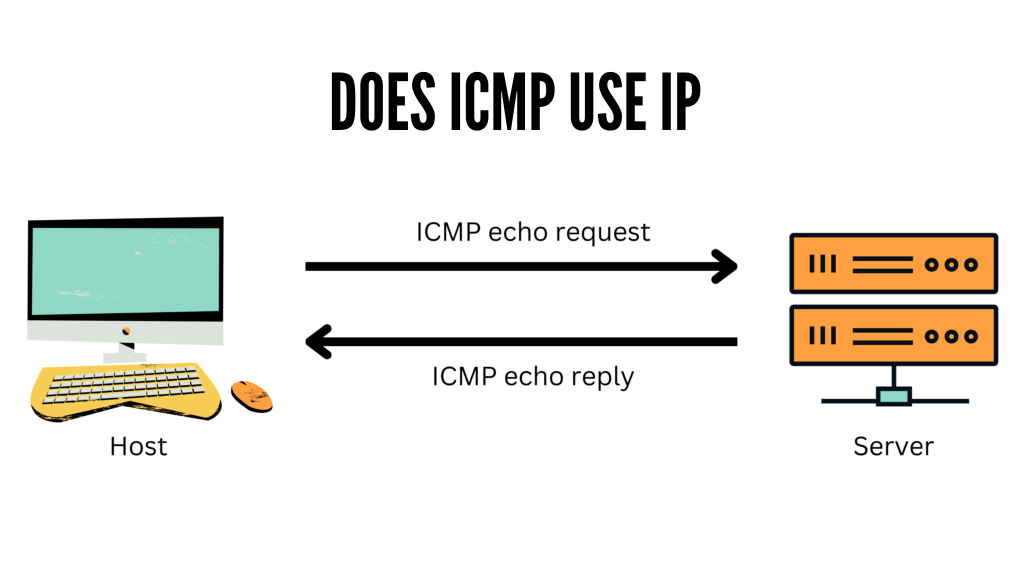
Introduction to ICMP and IP
In the world of computer networks, terms like TCP, UDP, and IP are widely known. However, ICMP (Internet Control Message Protocol) often confuses many people. A common question is does ICMP use IP? The answer is more than a simple yes or no because ICMP and IP are deeply interconnected in how networks function. Understanding this relationship is essential for anyone working in networking, troubleshooting, or system administration. Tools like ping and traceroute rely on ICMP, and knowing how it operates under the hood can make diagnosing network issues much more effective.
ICMP is primarily designed for error reporting and network diagnostics. Unlike TCP or UDP, which transfer user data between applications, ICMP communicates information about the network’s state itself. For instance, if a packet cannot reach its intended destination, ICMP generates a message and sends it back to the sender. This process allows administrators and systems to understand failures, reroute traffic if necessary, and take corrective action. ICMP operates at the network layer, the same as IP, but serves a distinct role. While IP handles addressing and packet delivery, ICMP ensures that network control and feedback mechanisms function properly. When learning about ICMP, many network engineers first ask, does ICMP use IP for its functionality, which is an important foundation for understanding the protocol.
Does ICMP Use IP?
Yes, ICMP uses IP. ICMP messages are always encapsulated within IP packets and rely on IP to traverse networks. Every ICMP message is placed inside an IP datagram, which provides addressing and routing information for proper delivery. Without IP, ICMP messages could not reach their destinations. Technically, ICMP is a network layer protocol, and it is identified within IP headers by protocol number 1. This makes ICMP an integral part of the IP suite while maintaining its specific role of reporting network conditions. Therefore, the answer to the question, does ICMP use IP, is clearly yes.
The reliance on IP allows ICMP to perform critical functions. When a device detects that a packet cannot be delivered, ICMP generates a message describing the problem. The message is placed inside an IP packet, which includes source and destination addresses. The IP packet is then forwarded through routers and other network devices until it reaches the destination. Upon arrival, the receiving device extracts the ICMP message and processes it. This ensures ICMP can efficiently communicate error information and status updates across networks, from local networks to the Internet. Understanding does ICMP use IP helps network professionals grasp why ICMP messages always appear in IP packets.
| Attribute | Details |
|---|---|
| Protocol Name | Internet Control Message Protocol (ICMP) |
| Does ICMP Use IP? | Yes, ICMP messages are encapsulated in IP packets |
| Protocol Number | 1 (for ICMP in IPv4) |
| Layer | Network Layer |
| Primary Purpose | Error reporting and network diagnostics |
| Common Tools | ping, traceroute |
| Versions | ICMPv4 (IPv4), ICMPv6 (IPv6) |
| Key Functions | Destination unreachable, time exceeded, echo request/reply |
| Security Considerations | Can be filtered by firewalls to prevent reconnaissance or DoS attacks |
| Importance | Essential for network troubleshooting, diagnostics, and path MTU discovery |
Benefits of ICMP
ICMP provides several important benefits beyond basic error reporting. One of the most significant is network diagnostics. For example, the ping command uses ICMP to check whether a host is reachable and to measure the round-trip time for packets. Similarly, traceroute uses ICMP along with the time-to-live (TTL) field in IP packets to map the path that data takes across a network. These tools give network administrators valuable insights into connectivity problems, latency issues, and misconfigured routes.
Another advantage of ICMP is efficient communication feedback. In large networks that span multiple routers and countries, many issues are invisible to end users. ICMP enables devices to send small, lightweight messages back to the sender about network status. This feedback reduces the need for more complex protocols to carry error or status messages, saving bandwidth and processing resources. By providing real-time feedback to both devices and administrators, ICMP helps maintain network reliability and transparency. When considering ICMP’s role, it’s essential to understand does ICMP use IP, since its effectiveness depends on being encapsulated in IP packets.
What ICMP Is Not
It is equally important to understand what ICMP is not. Many mistakenly assume ICMP functions like TCP or UDP. In reality, ICMP does not use port numbers, does not transmit user data, and does not guarantee delivery. Instead, ICMP focuses entirely on controlling and monitoring IP traffic. ICMP uses types and codes to identify specific messages, such as “destination unreachable” or “time exceeded.” It is a network tool designed to help devices communicate about conditions and errors, rather than delivering application content. Professionals frequently clarify the concept by asking does ICMP use IP, because this distinction separates it from transport protocols.
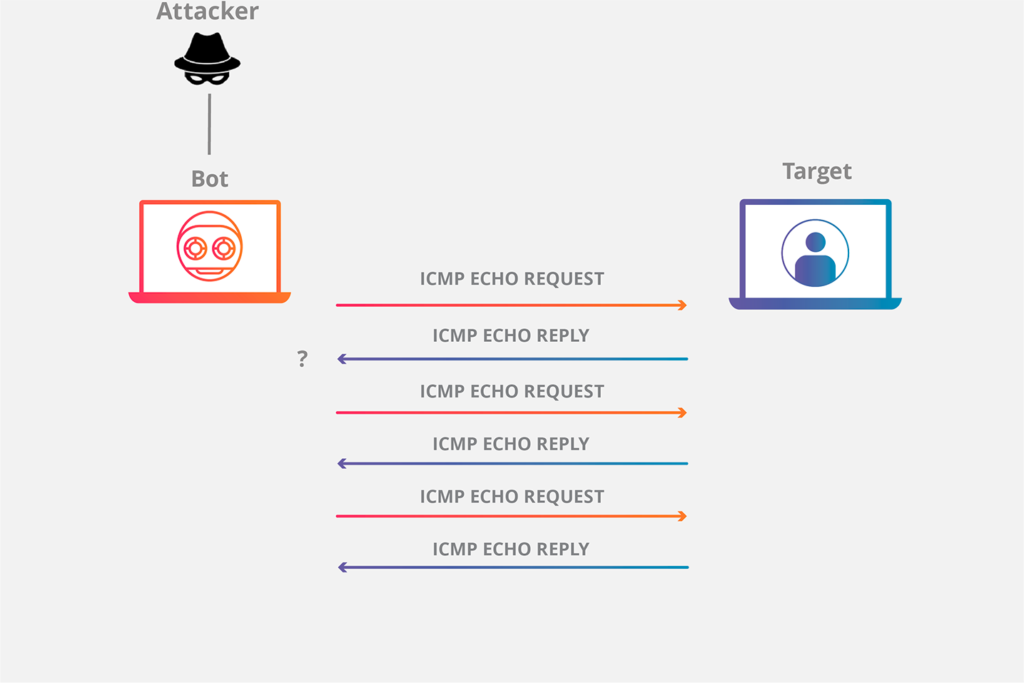
ICMP Versions and Modern Networks
Modern networks use two main versions of ICMP. ICMPv4 operates on IPv4 networks, while ICMPv6 is used for IPv6 networks. ICMPv6 includes additional features beyond error reporting, such as neighbor discovery and router advertisements, which are essential for IPv6 network operations. Despite these enhancements, ICMPv6 still relies on IP to deliver its messages, just like ICMPv4. The principle of encapsulating control messages within IP packets remains consistent, highlighting the strong and ongoing relationship between ICMP and IP. Questions like does ICMP use IP are even more important in the IPv6 era due to ICMPv6’s expanded functionality.
Security Considerations
Security is a critical factor in ICMP deployment. Because ICMP can reveal network structure and connectivity, it can be exploited for malicious purposes, including network reconnaissance and denial-of-service (DoS) attacks. As a result, many organizations implement firewalls or filters to control ICMP traffic. However, blocking ICMP entirely can disrupt essential functions, such as ping operations or path MTU discovery, which are necessary for network stability and performance. Administrators must balance security with functionality when configuring ICMP access. Understanding does ICMP use IP also informs security policies because ICMP always travels inside IP packets.
Real-World Use Cases
The practical applications of ICMP highlight its importance. Testing an internet connection using ping relies completely on ICMP messages to verify that a server is reachable. Similarly, traceroute maps the path packets travel, helping identify misconfigured routers or slow network segments. ICMP is also essential for detecting routing loops, where packets circle endlessly due to routing errors. Furthermore, ICMP supports path MTU discovery, enabling devices to determine the optimal packet size and avoid fragmentation. These real-world scenarios demonstrate how ICMP and IP work together to keep networks manageable and efficient. This reinforces the importance of knowing does ICMP use IP for anyone working in networking.
Conclusion
Does ICMP use IP are closely connected. ICMP depends on IP to deliver messages and cannot function independently. It is a vital component of the TCP/IP protocol suite, providing error reporting, diagnostic tools, and network management functions. By encapsulating messages within IP packets, ICMP ensures feedback and error information travel across networks efficiently. Tools like ping and traceroute show ICMP’s practical relevance in daily networking. Understanding ICMP’s relationship with IP is essential for IT professionals and network engineers, highlighting how network protocols work together to ensure reliable data delivery across the Internet. After reading this, the question does ICMP use IP should now be completely clear.
FAQs
Q: Does ICMP use IP for network communication?
A: Yes, ICMP always travels inside IP packets to reach its destination.
Q: How does ICMP rely on IP?
A: ICMP messages are encapsulated in IP packets for addressing and routing.
Q: Does ICMP use IP in IPv6 networks?
A: Yes, ICMPv6 still uses IP packets to deliver messages in IPv6 networks.
Q: Why does ICMP need IP to work?
A: Without IP, ICMP messages cannot be delivered across networks.
Q: Can we say ICMP works independently of IP?
A: No, ICMP depends entirely on IP to communicate network errors and diagnostics.
