

Introduction to PLM in Modern Industry
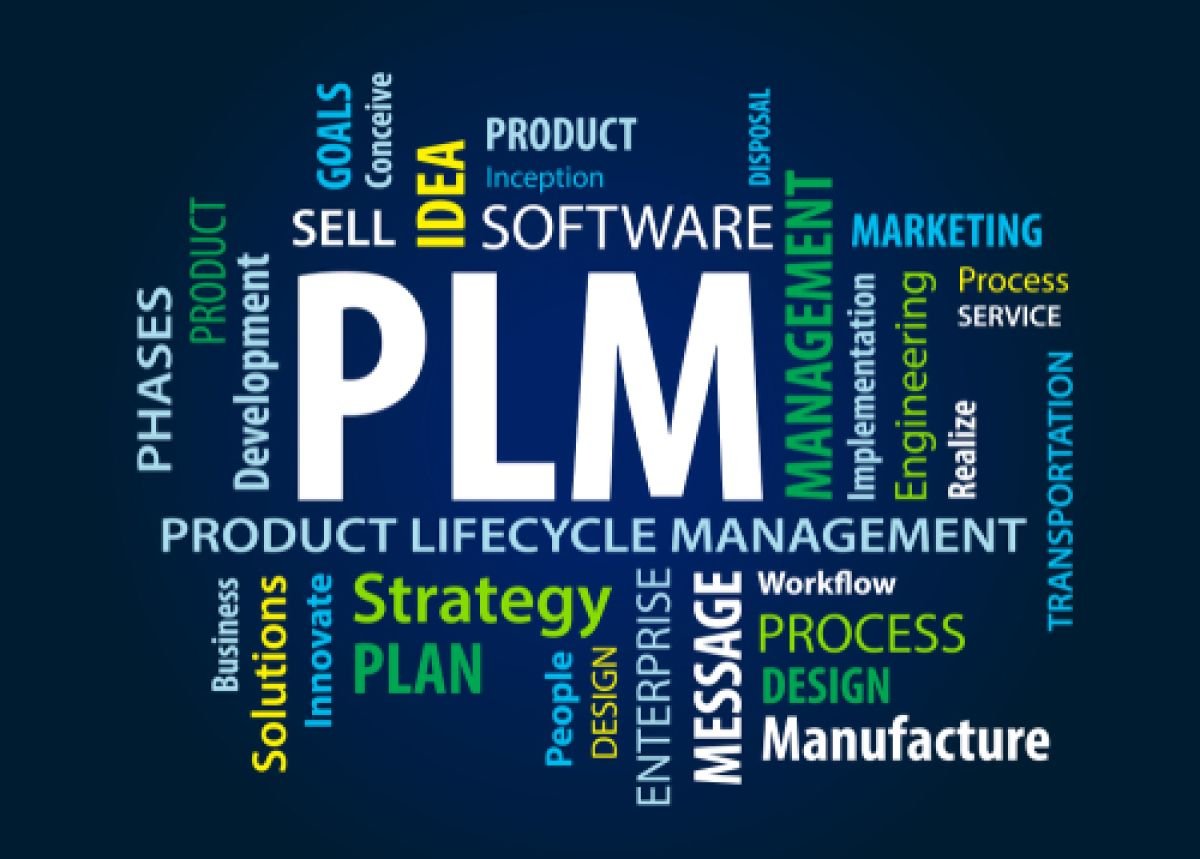
In today’s competitive business environment, companies are constantly trying to improve product quality, reduce development time, and increase efficiency. To achieve these goals, organizations rely on Product Lifecycle Management (PLM) systems. PLM is a structured digital approach that manages a product from its first idea to its final retirement. It connects all departments like design, engineering, manufacturing, and sales into one unified system, allowing better communication and smoother workflows.
The growing demand for faster innovation has made PLM an essential part of modern industries. Businesses in automotive, aerospace, fashion, electronics, and manufacturing use PLM to stay competitive. According to industry research insights from firms like McKinsey and Gartner, companies that implement PLM successfully experience improved productivity and faster product delivery. The benefits of PLM are becoming more important as industries continue to digitize and adopt smart technologies.
What is Product Lifecycle Management?
Product Lifecycle Management (PLM) is a system that manages every stage of a product’s life in one centralized platform. These stages include idea creation, product design, engineering, testing, manufacturing, distribution, and even product retirement. Instead of using separate tools for each phase, PLM brings everything together, ensuring smooth data flow and better coordination between teams.
Modern PLM solutions like Siemens Digital Industries Software, PTC, Dassault Systèmes, and Autodesk Fusion Lifecycle are widely used across global industries. These platforms help businesses manage complex product data efficiently and reduce operational risks.
How PLM Works in Real Business Operations
In real-world applications, PLM acts as a central digital backbone that connects all departments involved in product development. Traditionally, teams worked separately, which often led to miscommunication, delays, and costly mistakes. PLM solves this problem by creating a shared platform where all data is updated in real time.
For example, if a designer makes changes to a product model, those updates are instantly visible to engineers and production teams. This ensures that everyone is working on the same version of information. The system also creates a digital record of every change, often referred to as a “digital thread,” which helps companies track product history easily and improve future development cycles. These improvements are part of the core benefits of PLM in modern organizations.
| Field | Details |
|---|---|
| Topic | Benefits of PLM (Product Lifecycle Management) |
| Type | Business / Software System |
| Purpose | Manage product from idea to retirement |
| Key Use | Design, engineering, manufacturing, testing |
| Main Benefit | Improves quality, reduces cost, speeds up work |
| Industries | Automotive, Fashion, Electronics, Aerospace |
| Tools | Siemens, PTC, Dassault Systèmes, Autodesk |
| Outcome | Better efficiency and faster product delivery |
Improved Product Quality and Accuracy
One of the most valuable outcomes of PLM is improved product quality. Since all data is stored in a centralized system, teams can easily monitor changes, test results, and design updates. This reduces the risk of errors and ensures that products meet high-quality standards.
Without PLM, companies often struggle with outdated files or missing information, which leads to production mistakes. With PLM, everyone works with the latest and most accurate data, resulting in more reliable and consistent products. This is one of the key benefits of PLM that directly impacts customer satisfaction and brand reputation.
Faster Development and Time-to-Market
Speed is critical in today’s fast-moving markets. PLM helps companies reduce product development time by improving collaboration between teams. Instead of waiting for one stage to finish before starting another, multiple teams can work simultaneously on different parts of the product.
This parallel workflow significantly reduces delays and allows companies to bring products to market faster. Faster delivery not only increases competitiveness but also improves customer satisfaction. Among all advantages, the benefits of PLM in accelerating time-to-market are especially important for industries like technology and fashion.
Cost Reduction and Efficiency Improvement
Another major advantage of PLM is cost reduction. By reducing errors, avoiding rework, and improving planning accuracy, companies can save significant amounts of money during product development. Early detection of design issues prevents expensive production mistakes later in the process.
PLM also improves resource utilization by reducing waste and optimizing workflows. This leads to better financial control and long-term savings. The benefits of PLM in cost management make it a valuable investment for businesses of all sizes.
Stronger Collaboration Across Teams
In traditional systems, departments often work in isolation, which creates communication gaps. PLM eliminates this issue by providing a single platform where all teams can access and share information in real time.
This improves coordination between designers, engineers, suppliers, and production teams. Whether teams are located in different cities or countries, PLM ensures smooth collaboration. Strong teamwork is one of the most practical benefits of PLM, especially for global organizations.
Better Data Management and Control
Modern businesses deal with huge volumes of data, including design files, engineering documents, test reports, and supplier information. Managing this data manually is inefficient and risky.
PLM organizes all information into a structured and secure system, making it easy to access and update. This reduces confusion and ensures that important data is never lost. Efficient data control is another important part of the benefits of PLM in digital transformation.
Smarter Decision-Making
PLM provides real-time data insights that help managers make better decisions. Instead of relying on outdated reports, decision-makers can analyze accurate and updated product information.
This allows companies to identify risks early, improve forecasting, and make strategic improvements. Better decision-making is one of the long-term benefits of PLM that supports business growth and stability.
Compliance and Risk Management
Many industries must follow strict regulations and safety standards. PLM helps companies maintain compliance by keeping detailed records of every stage of product development.
This documentation is useful during audits and ensures that products meet legal and safety requirements. Strong compliance management is another important advantage among the benefits of PLM, especially in industries like aerospace and automotive.
Increased Productivity
PLM improves productivity by reducing manual tasks and eliminating time wasted searching for information. Employees can focus more on creative and technical work instead of administrative activities.
Automation features also help speed up repetitive processes, making teams more efficient. Increased productivity is one of the practical benefits of PLM that directly improves business performance.
Industry Applications of PLM
PLM is widely used across industries. In automotive manufacturing, it helps design and test vehicles efficiently. In aerospace, it ensures precision and safety. Fashion brands use PLM to manage collections and materials, while electronics companies rely on it for fast product innovation. Manufacturing industries also depend on PLM to optimize production processes and reduce delays.
Popular PLM Platforms
Several global companies provide advanced PLM systems. These include Siemens Digital Industries Software, PTC, Dassault Systèmes, and Autodesk Fusion Lifecycle. These platforms are widely trusted due to their scalability, reliability, and advanced collaboration features.
Challenges of PLM Implementation
Although PLM offers many advantages, implementing it can be challenging. The initial setup cost can be high, especially for large enterprises. Employees also need proper training to use the system effectively. Integration with existing legacy systems may take time and technical effort.
However, most companies find that the long-term benefits of PLM outweigh these challenges, making it a worthwhile investment.
Future of PLM Systems
The future of PLM is becoming more advanced with technologies like artificial intelligence, IoT, cloud computing, and digital twins. These innovations will make PLM systems more intelligent and predictive.
For example, AI can predict product issues before they occur, while digital twins can simulate real-world performance. These advancements will expand the benefits of PLM even further in the coming years.
Conclusion
In conclusion, PLM has become a vital system for modern businesses. It improves product quality, reduces costs, enhances collaboration, and speeds up development. The benefits of PLM make it an essential tool for companies that want to stay competitive in today’s fast-changing market.
As industries continue to evolve, PLM will play an even more important role in shaping efficient, innovative, and successful product development processes.
