

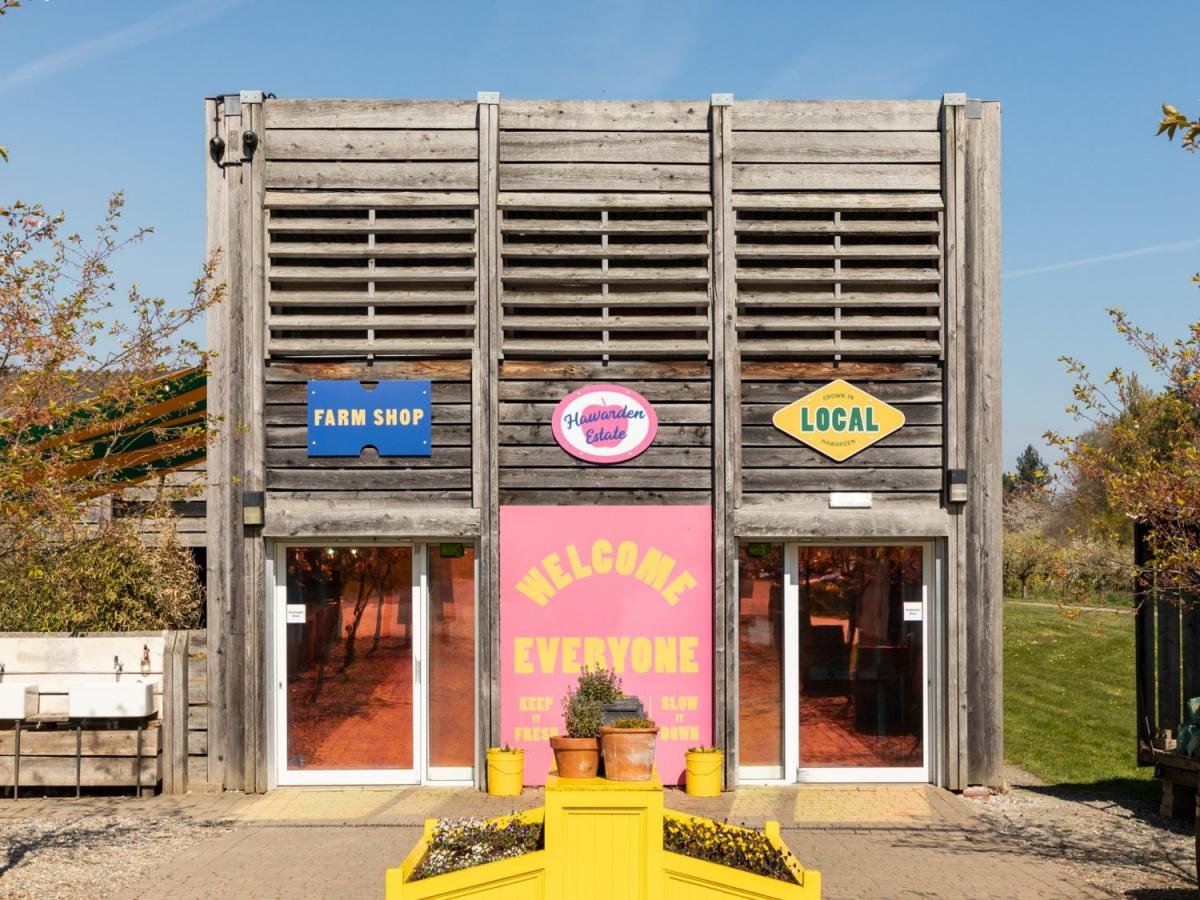
Introduction
The Hawarden Farm Estate is one of the most unique countryside destinations in North Wales. Located near the village of Hawarden in Flintshire, this estate is not just a working farm but a carefully developed rural space that combines agriculture, heritage, nature, and visitor experiences. It has grown into a place where people can enjoy fresh local food, explore green landscapes, and learn about sustainable farming practices all in one setting.
What makes the Hawarden Farm Estate stand out is its ability to preserve traditional farming roots while also adapting to modern needs. Instead of being closed off like many historic estates, it opens its doors to visitors and encourages people to connect with the land, food, and rural lifestyle in a meaningful way.
Location and Setting
The Hawarden Farm Estate is located in Flintshire, North Wales, very close to the England–Wales border and only a short distance from Chester. This location makes it easily accessible for both local residents and tourists looking for a countryside escape.
The surrounding area is rich in green fields, woodlands, and historic landmarks. The estate itself sits within a wider landscape that has been shaped by centuries of farming and estate life. Its natural setting gives visitors a peaceful experience, away from busy urban environments, while still being close to major towns and transport routes.
History and Development
The history of the Hawarden Farm Estate is deeply connected to traditional British estate farming. For many years, the land was primarily used for agriculture, supporting local communities through crop production and livestock farming. It played a quiet but important role in the rural economy of North Wales.
Over time, the estate began to evolve. Instead of focusing only on farming, it gradually introduced new elements such as food retail, hospitality, and visitor experiences. Old farm buildings were restored and reused, while new spaces like cafés and workshops were introduced. This careful development allowed the estate to stay true to its roots while also becoming more open and modern.
Today, the Hawarden Farm Estate reflects a balanced model where heritage and innovation work together rather than against each other.
Farm Shop and Local Food
One of the most popular features of the Hawarden Farm Estate is its farm shop, which is known for fresh, seasonal, and locally sourced produce. Many of the items sold in the shop come directly from the estate itself or from nearby farms that follow similar sustainable practices.
Visitors can find a wide range of products, including fresh vegetables, fruits, dairy products, bread, meats, and handmade goods. The focus is on quality and freshness rather than mass production or imported items.
The farm shop experience is closely connected to the land. People are able to see how food is grown and then purchase it in its freshest form. This direct link between farming and consumption is one of the key values of the Hawarden Farm Estate, and it is a major reason why many visitors return.
Café and Dining Experience
The café at the Hawarden Farm Estate offers a relaxed and natural dining experience. It focuses on seasonal menus that change depending on what is available from the farm and local suppliers. This ensures that the food is always fresh and reflects the time of year.
Meals are simple but carefully prepared, often highlighting traditional countryside cooking styles with a modern touch. The atmosphere is calm, with a strong connection to the surrounding landscape.
Visitors often enjoy sitting in the café not just for the food but also for the peaceful environment. The experience reflects the overall philosophy of the Hawarden Farm Estate, where food, land, and community are closely linked.

Nature and Walking Trails
The natural landscape is one of the most important parts of the Hawarden Farm Estate. The estate includes woodlands, open fields, gardens, and walking paths that allow visitors to explore at their own pace.
The woodland areas are especially popular for quiet walks and nature observation. They provide a home for local wildlife and offer a refreshing escape from urban life. Each season brings a different atmosphere, from spring blossoms to autumn leaves.
Careful land management ensures that the Hawarden Farm Estate remains environmentally balanced. It is designed to welcome visitors while also protecting natural habitats and encouraging biodiversity.
Walled Garden and Learning Space
The walled garden is a key educational and creative space within the Hawarden Farm Estate. It has been restored and is now used for growing produce as well as hosting workshops and learning activities.
Visitors can take part in gardening sessions, cooking workshops, and seasonal craft events. These activities are designed to reconnect people with nature and teach practical skills that are often lost in modern urban life.
The walled garden adds an important educational layer to the Hawarden Farm Estate, making it more than just a place to visit. It becomes a place to learn and experience rural traditions firsthand.
Accommodation and Visitor Stay
For those who want to stay longer, the Hawarden Farm Estate offers accommodation options such as countryside cottages and camping areas. These spaces are designed to give visitors a deeper experience of rural life.
Staying on the estate allows people to enjoy early morning walks, quiet evenings, and full immersion in nature. The focus is on simplicity and comfort rather than luxury, helping guests feel more connected to the surroundings.
This type of stay is especially popular with families, couples, and individuals looking for a peaceful countryside retreat.
Community and Modern Role
Today, the Hawarden Farm Estate plays an important role in the local community. It is not just a private estate but a shared space where farming, education, and creativity come together.
The estate hosts seasonal events, workshops, and gatherings that bring people together. It also supports local producers and artisans, helping strengthen the regional economy.
This community-focused approach is one of the reasons the Hawarden Farm Estate has gained attention as a model for modern rural development. It shows how traditional estates can remain relevant in today’s world.
Conclusion
The Hawarden Farm Estate is a rare example of how a historic countryside estate can evolve while preserving its identity. It successfully combines farming, food production, nature conservation, education, and tourism into one integrated experience.
From its farm shop and café to its walking trails and learning spaces, every part of the estate reflects a thoughtful connection between people and land. Visitors do not just observe the countryside—they experience it directly.
In many ways, the Hawarden Farm Estate represents the future of rural living in the UK: sustainable, community-driven, and deeply connected to nature.
FAQs
Q: What is Hawarden Farm Estate?
A: It is a countryside estate in North Wales that combines farming, food production, nature, and visitor experiences.
Q: Where is Hawarden Farm Estate located?
A: It is located in Flintshire, North Wales, near the village of Hawarden and close to Chester.
Q: Can visitors buy food at Hawarden Farm Estate?
A: Yes, the estate has a farm shop selling fresh, seasonal, and locally produced food.
Q: Is Hawarden Farm Estate open to the public?
A: Yes, visitors can explore parts of the estate, including the shop, café, and walking areas.
Q: What makes Hawarden Farm Estate special?
A: It blends traditional farming with modern food culture, nature walks, and community-focused activities.
