

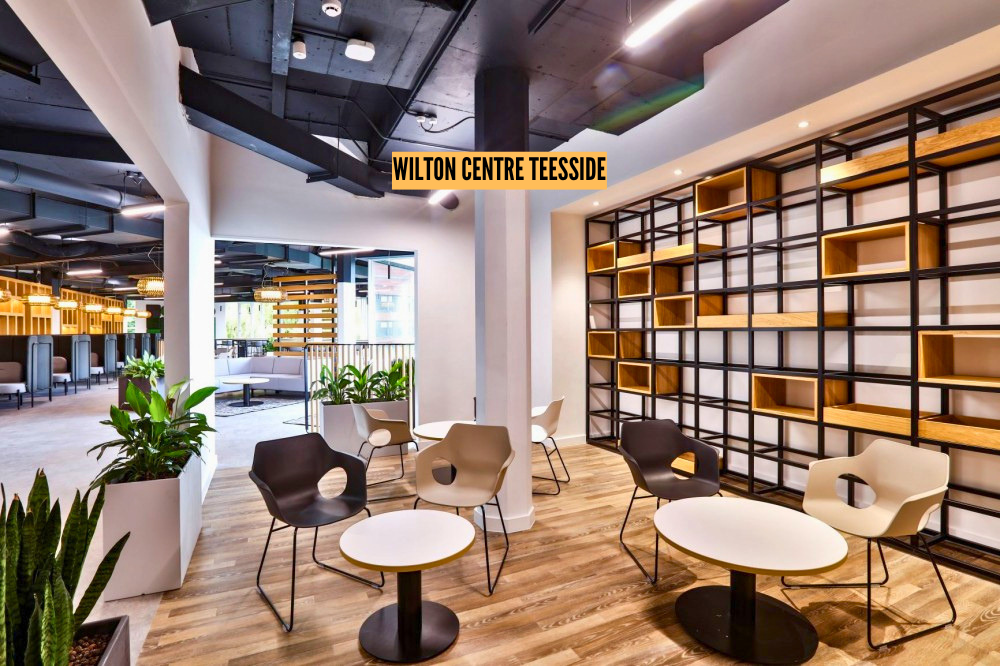
Wilton Centre Teesside is entering a new phase in 2026, with its 50-year history now linked to major work in food innovation, clean energy, life sciences and industrial scale-up. The centre near Redcar has developed from its ICI roots into one of Europe’s major research and development locations. Its latest activity shows why the site remains important to the future of Teesside and the wider UK economy. In July 2026, the Centre for Process Innovation (CPI) officially launched an expanded food-grade pilot facility at the Wilton Centre, bringing businesses, investors, academics and government together to explore the next generation of food manufacturing.
Why Wilton Centre Teesside Matters More in 2026
The Wilton Centre Teesside is not simply an office or business park. It is a specialist environment where companies can work on research, testing, product development and commercial scale-up. The site covers about 75 acres and provides office, laboratory and pilot plant accommodation for science and innovation-focused businesses. Teesside Freeport describes it as one of Europe’s largest research and development facilities.
The Wilton Centre Teesside has also become part of the region’s wider investment story. It is included within the Teesside Freeport tax zone, which is designed to encourage business investment through measures such as tax relief and enhanced allowances. The combination of specialist facilities, industrial connections and financial incentives gives companies a reason to consider Teesside when they need room to grow.
Its location is another major advantage. Wilton Centre sits next to Wilton International, a major industrial complex, while also being connected to the wider North East process industry network. That means companies can work close to large industrial operators, research organisations and specialist suppliers instead of operating in isolation.
From ICI Headquarters to a Modern Innovation Hub
The story of Wilton Centre Teesside began in the 1970s. Between October 1974 and September 1975, around 1,300 staff moved into the building as it became the headquarters of ICI’s Petrochemicals Division. The site was not only an administrative centre. Its laboratories were also used by researchers, chemists and scientists working on new products and industrial processes.
That history is being recognised during the centre’s 50th anniversary year. In January 2026, Tees Business reported that Wilton Centre had evolved from its ICI background into a major R&D hub with more than 60 companies working across areas including clean energy, pharmaceuticals, sustainable materials and life sciences.
The change is significant because the needs of modern companies are different from those of the traditional chemical industry. Start-ups and research teams may need laboratories, pilot equipment, technical expertise and investment connections before they are ready for full-scale manufacturing. Wilton Centre aims to provide that wider ecosystem rather than simply renting out rooms.
Wilton Centre Teesside – Quick Facts
| Detail | Information |
|---|---|
| Name | Wilton Centre |
| Location | Wilton, Teesside, UK |
| Established | 1970s |
| Original Role | ICI Petrochemicals Division HQ |
| Current Role | Research, Innovation and Business Hub |
| Key Areas | Food Tech, Energy, Recycling, Life Sciences |
| Notable Partner | Centre for Process Innovation (CPI) |
| Postcode | TS10 4RF |
The New Food Innovation Push Has Put Wilton Centre in Focus
One of the clearest examples of the centre’s changing role is CPI’s Novel Food Innovation Centre. In April 2026, CPI announced expanded pilot-scale capabilities designed to help companies take novel food products from laboratory development towards manufacturing readiness. The facility supports technologies including precision fermentation, cell culture and biomass fermentation.
The equipment allows development at several scales, moving from small laboratory experiments through larger fermentation systems and into two 750-litre pilot-scale units. This matters because moving from a successful laboratory experiment to commercial production can be one of the hardest stages for a young technology company. Pilot facilities allow businesses to test processes and collect technical information before making much larger investments.
The development reached another milestone on July 16, 2026, when CPI officially launched the expanded food-grade pilot facility. The event at Wilton Centre brought together industry leaders, investors, academics and government representatives. Anna Turley MP also attended, highlighting the growing regional interest in food innovation and advanced manufacturing.
Clean Energy Is Creating Another Major Role
Food technology is only one part of the centre’s current story. Clean energy and carbon reduction are also becoming increasingly important. In April 2026, Wilton Centre welcomed Technip Energies and Balfour Beatty in connection with the NZT Power and Northern Endurance Partnership project.
NZT Power is planned as a large-scale gas-fired power station with carbon capture and storage, while the Northern Endurance Partnership is developing CO₂ transportation and storage infrastructure. The project is expected to support major employment and infrastructure activity across the North East.
Wilton Centre therefore provides more than a convenient address for companies involved in these projects. Its existing industrial environment makes it a useful base for engineering, project management and technical work connected with Teesside’s changing energy landscape. Pioneer Group has also highlighted the centre’s growing role in helping technologies move from research and development towards practical deployment.
What Businesses Can Find at the Centre
Businesses at Wilton Centre can access a mixture of offices, laboratories and specialist facilities. Tees Valley Combined Authority says the site has more than 100 fully serviced laboratories and more than 200,000 square feet of dedicated office space. The accommodation can support different business sizes, from individual offices to larger areas.
This flexibility is particularly useful for companies that expect their needs to change. A start-up may initially need a small laboratory and office, but later require pilot facilities and additional space as its technology develops. Having these options within the same wider ecosystem can reduce the disruption involved in moving a growing company elsewhere.
The centre also benefits from links with organisations such as CPI and the High Value Manufacturing Catapult. These connections can give businesses access to specialist equipment, knowledge and collaboration opportunities. The goal is to help companies close the difficult gap between an interesting technical idea and a product that can be manufactured commercially.
A 50-Year Milestone With a Very Different Future
Wilton Centre’s 50th anniversary is more than a celebration of an old building. It provides a useful way to see how Teesside’s industrial economy has changed. The centre began during the era of large-scale chemical research and has gradually developed into a community supporting life sciences, sustainable food, advanced manufacturing, clean technology and circular-economy projects.
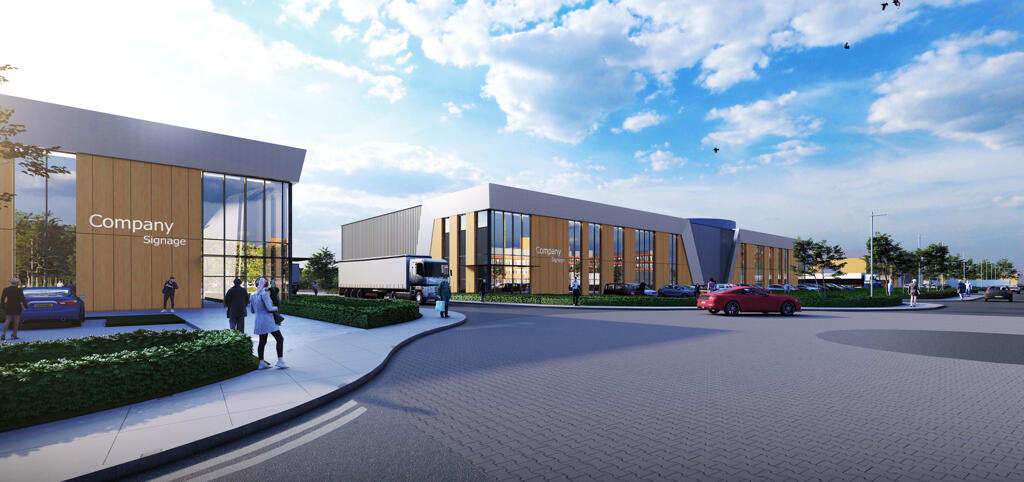
There are also signs that further growth is planned. The centre has secured planning permission for a major expansion, while a new 148,000-square-foot development is intended to address demand from businesses working in areas such as biomanufacturing, biopharmaceuticals and the circular economy.
Conclusion
Wilton Centre Teesside stands at a turning point where its industrial heritage and future-focused innovation are now closely connected. Over 50 years, it has evolved from an ICI petrochemicals headquarters into a modern research and development hub supporting some of the UK’s most important growth sectors, including food technology, clean energy and advanced manufacturing. With new pilot facilities, expanding occupiers and planned development space, the centre is positioned to play an even greater role in helping ideas move from laboratory research to real-world production. Its continued success will depend on how effectively it can support this transition and attract the next generation of science-led businesses to Teesside.
