

Introduction
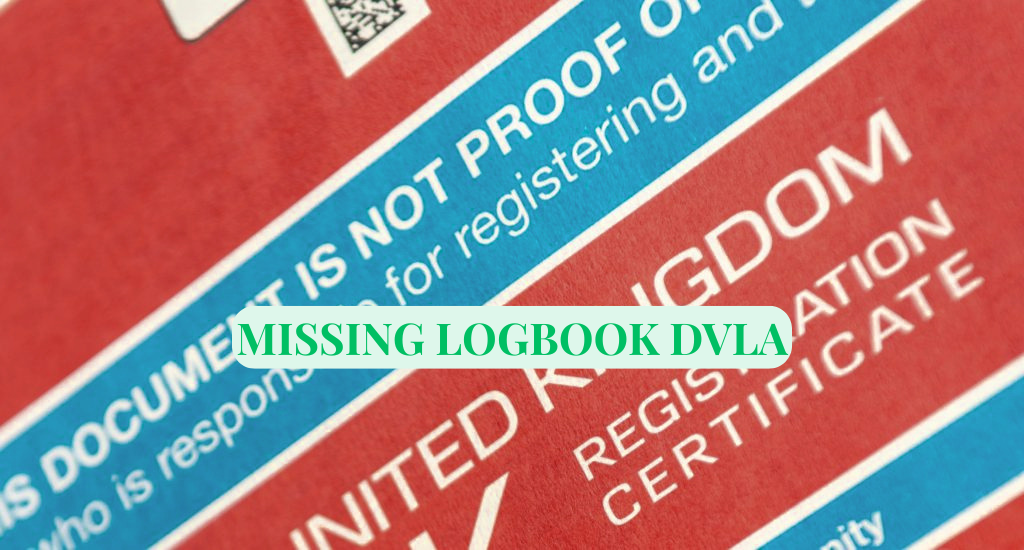
A missing logbook DVLA issue is something many vehicle owners in the UK experience at least once, especially when buying or selling used cars. The logbook, officially known as the V5C registration certificate, is one of the most important documents linked to any registered vehicle in the UK. It is issued and managed by the Driver and Vehicle Licensing Agency (DVLA), which keeps official records of all vehicles on the road.
When a missing logbook DVLA situation occurs, it does not mean the vehicle is illegal or unregistered. Instead, it simply means that the physical document is not available with the registered keeper. However, without it, everyday processes like selling, taxing, or updating vehicle details can become more complicated and time-consuming.
Understanding how the system works and what steps to take is important for every vehicle owner.
What is a Logbook (V5C)?
The V5C logbook is an official document issued by the DVLA that records the details of a vehicle and its registered keeper. It includes important information such as the registration number, vehicle identification number (VIN), engine details, colour, fuel type, and personal details of the registered keeper.
A missing logbook DVLA case usually means this document has been lost, stolen, damaged, or never received after purchase. Although it is not proof of ownership in legal terms, it is the main reference document used by authorities and buyers to confirm who is responsible for the vehicle.
Without it, the DVLA still holds the record digitally, but access and updates become more restricted.
Why the Logbook is Important
The logbook plays a crucial role in almost every aspect of vehicle ownership. It is required when selling a vehicle, transferring ownership, updating personal details, or even scrapping a car.
A missing logbook DVLA issue often creates delays because buyers and authorities rely on this document for verification. For example, when selling a car, most buyers expect to see the V5C before completing the deal. Without it, they may question the legitimacy of the vehicle or request additional checks.
It is also needed for taxing the vehicle online, and without it, the process may require additional verification steps through the DVLA system.
Common Reasons for a Missing Logbook DVLA Situation
There are several reasons why a missing logbook DVLA situation happens, and most of them are simple human or administrative errors.
One of the most common causes is misplacement. Since the logbook is a paper document, it is often stored away and forgotten or lost during house moves or paperwork organisation.
Another common reason is postal failure. Sometimes, after buying a used car, the updated logbook is issued but never arrives due to incorrect address details or delivery issues.
In rare cases, the document may be stolen or destroyed accidentally. Regardless of the reason, DVLA allows owners to request a replacement if their details match official records.
| Topic | Details |
|---|---|
| What is Missing Logbook DVLA? | V5C vehicle document is lost, stolen, or not received |
| Importance | Needed for selling, taxing, and updating vehicle records |
| Main Cause | Loss, postal issues, address mistakes, or damage |
| Solution | Apply for replacement via DVLA online or V62 form |
| Cost | Around £25 |
| Time | 5–7 working days (usually) |
| Risk if Missing | Sale delays, verification issues, fraud risk |
How to Replace a Missing Logbook DVLA Document
When dealing with a missing logbook DVLA case, the replacement process is quite simple and can usually be completed in a few steps.
The fastest method is applying online through the official DVLA service. You will need basic information such as the vehicle registration number, VIN, and registered keeper details. Once submitted, the request is processed, and a new logbook is sent by post.
Alternatively, you can apply using a V62 form, which is sent by post to DVLA. This method is slower but useful if online verification is not possible.
A small fee is required for replacement, and delivery usually takes around 5–7 working days depending on processing time.
Buying a Car with a Missing Logbook DVLA Issue
Buying a car where there is a missing logbook DVLA situation requires extra caution. While it is not illegal to purchase a vehicle without a logbook, it is important to verify the vehicle properly before completing the transaction.
Without a V5C, it becomes harder to confirm ownership details, which increases the risk of fraud or purchasing a vehicle with hidden issues such as outstanding finance.
Buyers should always check the vehicle history, request proof of identity from the seller, and ensure a proper receipt is provided. Once the purchase is complete, the new owner should immediately apply for a replacement logbook.
DVLA Verification Process for Missing Logbooks
When a missing logbook DVLA replacement request is submitted, DVLA follows a strict verification process to ensure the information is correct.
The system checks whether the vehicle is registered correctly and whether the applicant matches the registered keeper details. If everything is correct, a new V5C is issued and sent to the registered address.
If there are inconsistencies in the data, DVLA may request additional identification or supporting documents before approving the application. This helps prevent fraud and ensures the correct person receives the document.
Risks of Not Having a Logbook
A missing logbook DVLA issue can create several practical challenges even though it is not illegal to own or drive a vehicle without it.
One of the biggest problems is difficulty when selling the vehicle. Buyers may be hesitant or offer lower prices due to missing documentation. It can also slow down the entire selling process.
Another issue is administrative delays. Tasks like taxing the vehicle or updating details with DVLA may require additional verification steps, which can take time.
There is also a security concern. Without a logbook, there is a higher risk of vehicle details being misused or ownership disputes occurring.
How to Check If Your Logbook is Actually Missing
Sometimes, people believe they have a missing logbook DVLA problem when the document has already been issued or delivered.
Before applying for a replacement, it is important to check all possible locations where the document may have been stored. This includes old paperwork, files from the seller, or post received during vehicle purchase.
You can also check vehicle records through DVLA services or contact previous owners if the vehicle was recently purchased. This helps avoid unnecessary duplicate applications.
Cost and Time for Replacement
The cost of resolving a missing logbook DVLA issue is usually fixed and affordable. In most cases, the replacement fee is around £25.
Online applications are typically processed faster, with delivery taking around 5 to 7 working days. Postal applications may take longer depending on verification requirements and postal delays.
Ensuring accurate details during the application process helps avoid unnecessary delays.
Common Mistakes People Make
Many vehicle owners make avoidable mistakes when dealing with a missing logbook DVLA situation.
One common mistake is not updating their address with DVLA, which leads to documents being sent to the wrong location. Another is delaying the replacement application, which can create problems during vehicle sale or taxation.
Some people also fail to verify whether the logbook has already been issued, leading to duplicate applications and wasted time.
Final Thoughts
A missing logbook DVLA situation is common but should always be handled quickly and correctly. The V5C is a key document that helps manage vehicle records, and without it, simple tasks can become complicated.
Fortunately, DVLA provides a reliable and structured replacement process that makes it easy to recover lost documents. Whether the logbook is lost, stolen, or never received, taking quick action ensures smoother ownership, safer transactions, and better control over your vehicle records.
In the end, keeping your logbook safe and your details updated with DVLA is the best way to avoid future problems.
