

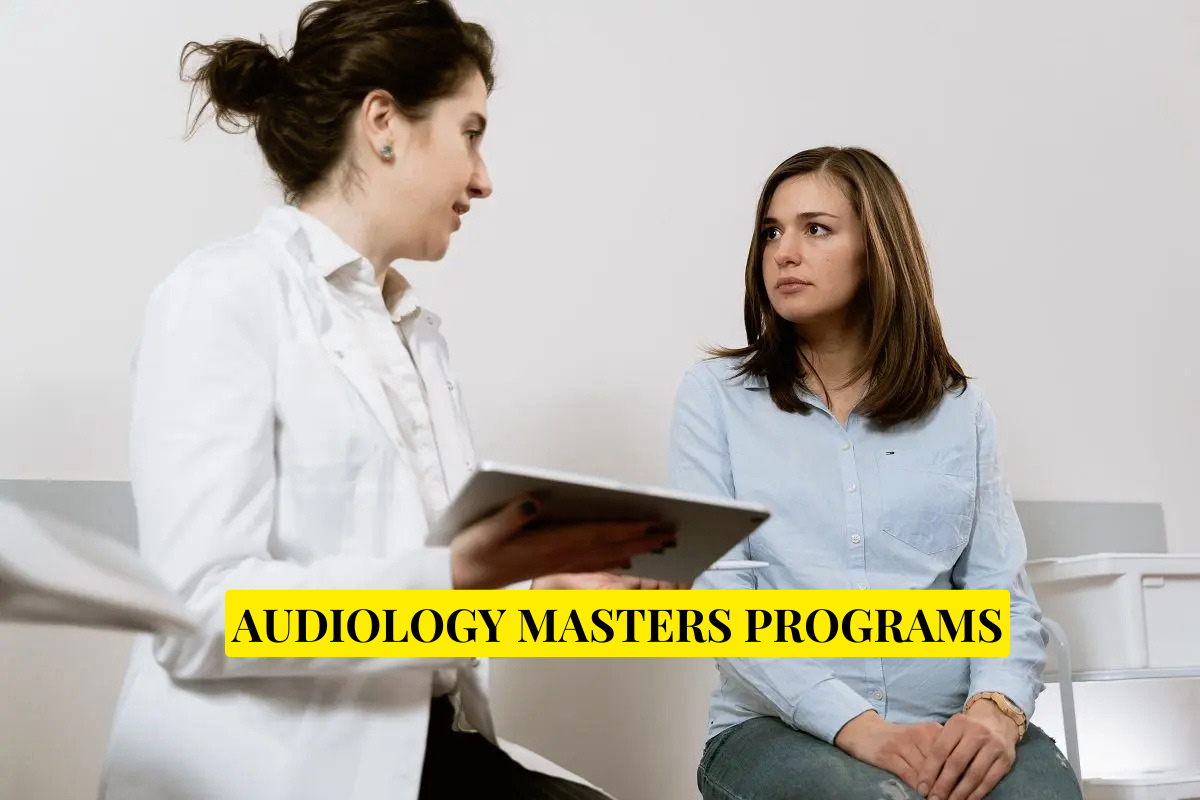
Audiology is one of the most important growing fields in modern healthcare, yet many students are still not fully aware of its value. Audiology Masters Programs are advanced academic degrees designed for students who want to build a professional career in diagnosing and treating hearing and balance disorders. These programs combine science, medicine, and technology to help people who face hearing loss or communication difficulties.
In today’s world, hearing problems are becoming more common due to noise pollution, aging populations, and lifestyle changes. Because of this, the demand for trained audiologists is increasing globally. Audiology Masters Programs prepare students not just with theoretical knowledge but also with strong clinical training so they can work directly with patients in hospitals, clinics, and rehabilitation centers.
What Audiology Masters Programs Are
Audiology Masters Programs are postgraduate degrees focused on hearing science and auditory health. They belong to the healthcare field of Audiology, which deals with the study of how we hear, how hearing loss occurs, and how it can be treated or managed.
Students in these programs are trained to become audiologists—healthcare professionals who test hearing ability, diagnose hearing disorders, and recommend solutions like hearing aids or therapy. The program is designed to blend classroom learning with real hospital experience, making it highly practical and career-oriented.
Unlike general science degrees, Audiology Masters Programs focus heavily on patient care. Students learn how to communicate with patients of different ages, understand their hearing problems, and provide appropriate treatment solutions.
Introduction to Audiology Field
Audiology is closely connected to human communication. Hearing is one of the most important senses because it helps people connect with the world, communicate effectively, and maintain relationships. When hearing is affected, it can significantly impact a person’s daily life.
The field of audiology has expanded rapidly in recent years due to increasing awareness about hearing health and advancements in medical technology. Devices like digital hearing aids and cochlear implants have transformed treatment methods, making it possible for people with severe hearing loss to regain communication abilities.
Audiology Masters Programs are designed to meet this growing demand by training skilled professionals who can handle modern diagnostic tools and treatment techniques.
| Field | Details |
|---|---|
| Keyword | Audiology Masters Programs |
| Field Type | Healthcare / Medical Education |
| Study Level | Master’s Degree (Postgraduate) |
| Duration | Around 2 Years |
| Focus Area | Hearing and Balance Disorders |
| Career Role | Audiologist |
| Workplaces | Hospitals, Clinics, Research Centers |
| Main Goal | Diagnose and treat hearing problems |
| Job Demand | High and growing worldwide |
What You Study in Audiology Masters Programs
The curriculum of Audiology Masters Programs is carefully structured to build both scientific understanding and clinical expertise. Students start with basic subjects that explain the anatomy of the ear and gradually move toward advanced diagnostic and rehabilitation techniques.
Key areas of study include ear anatomy, hearing assessment, balance disorders, neuro-audiology, pediatric audiology, and hearing aid technology. Students also learn how sound is processed by the brain and how different types of hearing loss affect speech and communication.
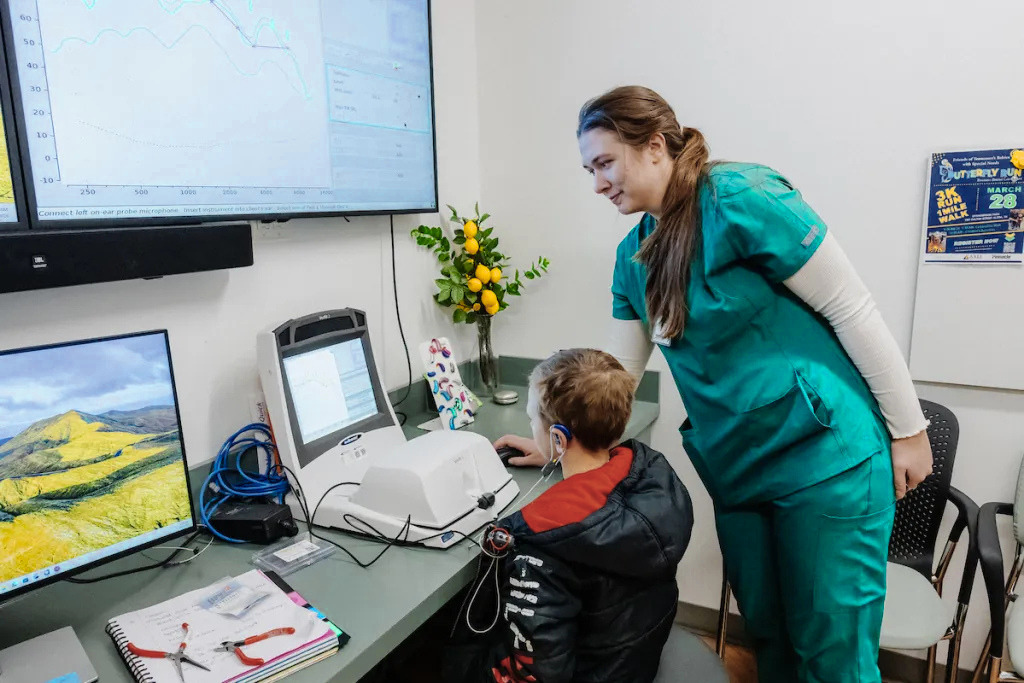
A major part of the program is clinical training. Students spend time in hospitals and audiology centers where they work with real patients under supervision. This experience is essential because it helps them develop confidence, accuracy, and professional communication skills.
Admission Requirements for Audiology Masters Programs
To get admission into Audiology Masters Programs, students usually need a bachelor’s degree in audiology, speech and hearing sciences, biology, or a related health science field. Some universities may also accept students from general science backgrounds if they have relevant coursework.
Most institutions require academic transcripts, recommendation letters, and sometimes an entrance test or interview. For international students, English language tests such as IELTS or TOEFL may also be required depending on the country.
Admission is competitive in many universities, so students are expected to have strong academic performance and genuine interest in healthcare and patient care.
Duration and Structure of the Program
Most Audiology Masters Programs take around two years to complete. The structure is divided into theoretical learning, laboratory training, and clinical internships.
In the first year, students focus more on academic subjects and basic diagnostic techniques. In the second year, they move into advanced clinical practice, internships, and research work. Many universities also require students to complete a thesis or final research project before graduation.
This combination of study and practice ensures that graduates are fully prepared for professional roles in healthcare settings.
Skills Developed During Audiology Masters Programs
Students in Audiology Masters Programs develop a wide range of technical and interpersonal skills. Since audiologists work closely with patients, communication is one of the most important skills they learn.
They also develop expertise in using audiology equipment, performing hearing tests, analyzing results, and recommending treatment solutions. In addition, they learn patience, empathy, problem-solving, and attention to detail—all essential qualities for healthcare professionals.
These skills help graduates confidently enter hospitals, clinics, and research environments after completing their degree.
Career Opportunities After Graduation
After completing Audiology Masters Programs, graduates have multiple career options in healthcare and education sectors. Many become clinical audiologists working in hospitals or private hearing clinics.
Others specialize in areas like pediatric audiology, balance disorders, or rehabilitation services. Some graduates work with hearing aid companies, helping develop or fit advanced hearing devices.
There are also opportunities in academic institutions as lecturers or researchers. The field offers long-term stability because hearing-related disorders are increasing globally, and demand for qualified professionals continues to grow.
Scope of Audiology Worldwide
The scope of audiology is expanding in both developing and developed countries. In countries like Pakistan, awareness about hearing health is still developing, which means there is a growing need for trained audiologists in hospitals and clinics.
In countries like the USA, UK, Canada, and Australia, audiology is already a well-established healthcare profession with structured licensing systems and high demand for professionals.
Because of this global demand, Audiology Masters Programs are becoming more popular among students who want an international healthcare career.
Salary and Professional Growth
Salaries in audiology vary depending on experience, location, and workplace. Entry-level professionals usually start with moderate salaries, but income increases significantly with experience and specialization.
In private clinics or advanced healthcare centers, audiologists can earn higher incomes compared to basic hospital positions. In developed countries, audiologists are considered well-paid healthcare professionals, while in developing countries salaries are steadily improving.
Career growth in audiology is also strong, with opportunities to move into senior clinical positions, teaching roles, or research careers.
Is Audiology a Good Career Choice?
Audiology is widely considered a meaningful and stable healthcare career. It is especially suitable for students who are interested in science, medicine, and human communication.
One of the most rewarding aspects of this profession is that audiologists directly improve people’s quality of life. Helping someone hear again or communicate better brings real emotional satisfaction.
However, the field also requires patience, responsibility, and continuous learning, since healthcare technologies are always evolving.
Personal Life and Background Information
Unlike celebrities or public figures, audiologists are healthcare professionals, so personal details such as age, height, family background, or social media presence are not part of their professional identity.
Most students entering Audiology Masters Programs are usually in their early to late twenties. Their success is based on skills, knowledge, and patient care rather than personal lifestyle or appearance.
This makes audiology a professional and science-based career focused entirely on healthcare service.
Future of Audiology Field
The future of audiology is very promising due to continuous technological development. Modern hearing aids are becoming smarter, smaller, and more connected to digital devices.
Artificial intelligence and telehealth are also transforming how audiologists diagnose and treat patients. Remote consultations are becoming more common, making hearing care more accessible worldwide.
Because of these advancements, Audiology Masters Programs will continue to remain relevant and valuable in the future healthcare industry.
Conclusion
Audiology Masters Programs offer a strong academic and professional pathway for students who want to enter the healthcare field. The discipline of Audiology is growing rapidly and plays a vital role in improving communication and quality of life for millions of people.
This field combines science, technology, and human care, making it one of the most meaningful healthcare careers today. With increasing global demand and continuous innovation, audiology is a stable and future-proof profession for students worldwide.
