

Introduction
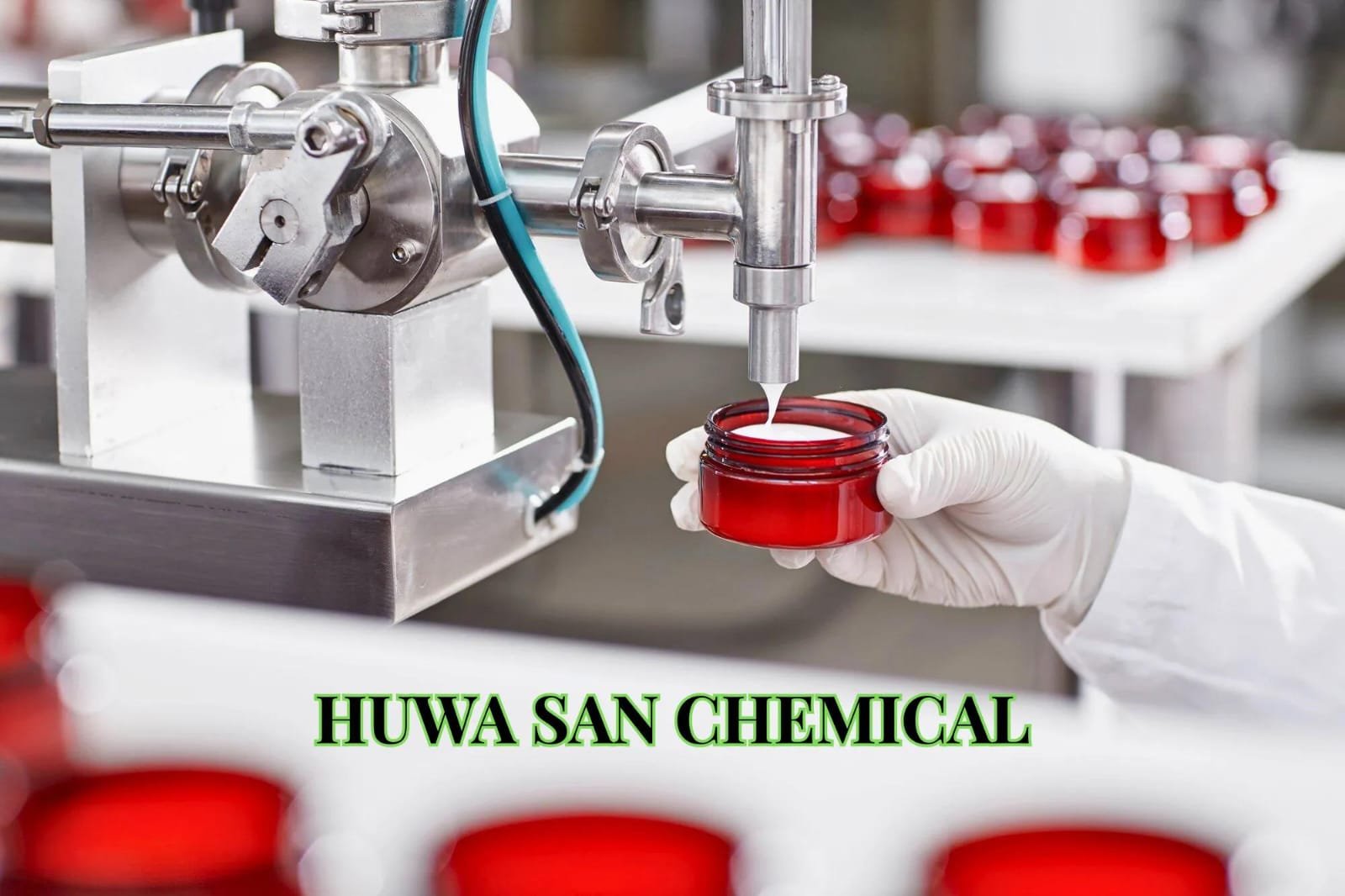
Huwa San Chemical is a modern disinfectant widely used in water treatment systems, healthcare facilities, food industries, and industrial cleaning applications. It is based on stabilized hydrogen peroxide technology, which makes it more stable and effective compared to traditional disinfectants.
Unlike chlorine-based solutions, Huwa San Chemical breaks down into oxygen and water after use, leaving no harmful chemical residue. This property makes it highly suitable for industries that require strict hygiene standards and environmental safety at the same time.
Over the past years, Huwa San Chemical has gained importance in modern sanitation systems due to its ability to control bacteria, viruses, fungi, and biofilm formation in water networks and pipelines.
What is Huwa San Chemical
Huwa San Chemical is a stabilized form of hydrogen peroxide combined with a small concentration of silver ions. This combination improves its stability and allows long-lasting disinfecting action.
The main purpose of Huwa San Chemical is to eliminate harmful microorganisms from water systems and surfaces. It is widely used in continuous disinfection systems where consistent microbial control is required.
Because it decomposes into oxygen and water, Huwa San Chemical is considered safer and cleaner than many conventional chemical disinfectants used in industries today.
Composition and Working Principle
The main active ingredient in Huwa San Chemical is hydrogen peroxide (H₂O₂), a strong oxidizing agent. What makes it unique is the stabilization process using trace silver compounds.
Huwa San Chemical works through oxidation. When it comes into contact with microorganisms, it releases active oxygen that damages and destroys the cell walls of bacteria, viruses, and fungi.
This reaction stops microorganisms from surviving or multiplying. After completing its function, Huwa San Chemical naturally breaks down into oxygen and water, making it environmentally safe and residue-free.
Huwa San Chemical – Information Table
| Category | Details |
|---|---|
| Name | Huwa San Chemical |
| Type | Stabilized hydrogen peroxide disinfectant |
| Main Ingredients | Hydrogen peroxide (H₂O₂) + silver stabilizer |
| Physical Form | Liquid solution |
| Function | Disinfection and microbial control |
| Mechanism | Oxidation (releases active oxygen to kill microbes) |
| Breakdown Result | Water (H₂O) + Oxygen (O₂) |
| Applications | Water treatment, healthcare, food industry, agriculture, industrial systems |
| Target Microorganisms | Bacteria, viruses, fungi, biofilm |
| Safety Level | Safer than chlorine when properly used |
| Environmental Impact | Eco-friendly, non-toxic residue |
| Storage Requirement | Cool, dark place away from sunlight |
| Handling Precautions | Gloves and eye protection recommended |
| Corrosiveness | Low (when correctly diluted) |
| Common Use Method | Continuous dosing systems |
| Major Advantage | No harmful chemical residue after use |
| Limitations | Higher cost than traditional disinfectants |
| Misconception | Not a person — has no age, family, or social media |
Industrial Applications
Huwa San Chemical is widely used in industrial systems where hygiene and microbial control are essential. It is commonly applied in cooling towers, pipelines, and water storage systems.
One of its key benefits is preventing biofilm formation inside pipes. Biofilm can reduce system efficiency and cause contamination issues if not controlled properly.
Industries prefer Huwa San Chemical because it is non-corrosive and suitable for sensitive equipment where harsh chemicals cannot be used.
Water Treatment Usage
One of the most important applications of Huwa San Chemical is in drinking water treatment systems. It helps maintain clean and safe water by eliminating harmful microorganisms.
It is particularly effective against bacteria such as Legionella, which can grow in water systems and create serious health risks.
In many systems, Huwa San Chemical is used in controlled dosing systems where small amounts are continuously added to ensure long-term water safety.
Healthcare and Hygiene Applications
In hospitals and healthcare environments, hygiene is critical to prevent infections. Huwa San Chemical is used for disinfecting surfaces, equipment, and water distribution systems.
It helps reduce the risk of hospital-acquired infections by killing harmful pathogens effectively.
Since it leaves no toxic residue, Huwa San Chemical is suitable for sensitive medical environments where chemical safety is extremely important.
Food and Agriculture Industry
In the food industry, hygiene plays a major role in product safety. Huwa San Chemical is used to disinfect processing equipment, storage tanks, and water used in food production.
It ensures that food remains free from contamination during processing stages. Because it breaks down into harmless substances, it is safe for controlled use in food-related environments.
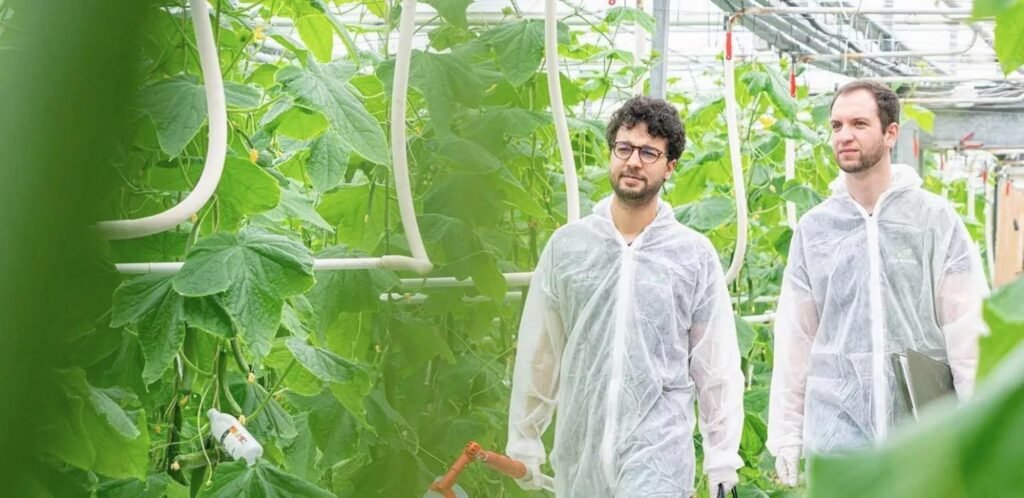
In agriculture, it is used in irrigation systems and hydroponic farming to keep water clean and pathogen-free, improving crop health and productivity.
Safety and Handling Guidelines
Although Huwa San Chemical is safer than many traditional disinfectants, it is still a chemical product that requires careful handling.
Direct contact with concentrated solutions may cause skin or eye irritation, so protective equipment such as gloves and goggles should always be used.
It should be stored in a cool, dark place away from sunlight to maintain its stability. Proper dosing is also very important to ensure effective and safe application.
Comparison with Chlorine
Compared to chlorine-based disinfectants, Huwa San Chemical is cleaner and more environmentally friendly.
Chlorine can produce harmful byproducts and strong odors, while Huwa San Chemical breaks down into oxygen and water without leaving toxic residues.
However, chlorine is still used in some large-scale systems due to its lower cost and long-lasting residual effect in water networks.
Environmental Benefits
Huwa San Chemical is considered an eco-friendly disinfectant because it does not create long-term pollution.
Since it decomposes into harmless substances, it is widely used in industries focusing on sustainability and green chemical solutions.
This makes it an important option for modern water treatment systems that aim to reduce environmental impact.
Limitations
Despite its advantages, Huwa San Chemical also has some limitations.
It is generally more expensive than traditional disinfectants, which can restrict its use in cost-sensitive projects.
It also requires proper dosing systems to function effectively, meaning it is not suitable for simple manual applications in small setups.
Common Misunderstanding
Many users mistakenly search for Huwa San Chemical as if it were a human personality, asking for age, height, family, net worth, or social media profiles.
However, Huwa San Chemical is not a person. It is a scientifically developed disinfectant used in industrial and water treatment systems.
It has no personal identity, lifestyle, or physical existence like a human being.
Conclusion
Huwa San Chemical is a powerful stabilized hydrogen peroxide-based disinfectant used across water treatment, healthcare, food production, and industrial systems.
Its ability to eliminate harmful microorganisms while breaking down into harmless substances makes it a modern and environmentally responsible solution.
Due to its effectiveness, safety profile, and eco-friendly nature, Huwa San Chemical continues to play an important role in advanced sanitation technologies around the world.
FAQs
Q: What is Huwa San Chemical used for?
A: It is used for disinfecting water systems, surfaces, and industrial equipment.
Q: Is Huwa San Chemical safe to use?
A: Yes, when properly diluted and handled, it is safe and widely used in industries.
Q: How does Huwa San Chemical work?
A: It works by releasing active oxygen that destroys harmful microorganisms.
Q: Does Huwa San Chemical leave any residue?
A: No, it breaks down into water and oxygen without harmful residue.
Q: Where is Huwa San Chemical commonly used?
A: It is commonly used in water treatment, healthcare, food, and agriculture industries.
