

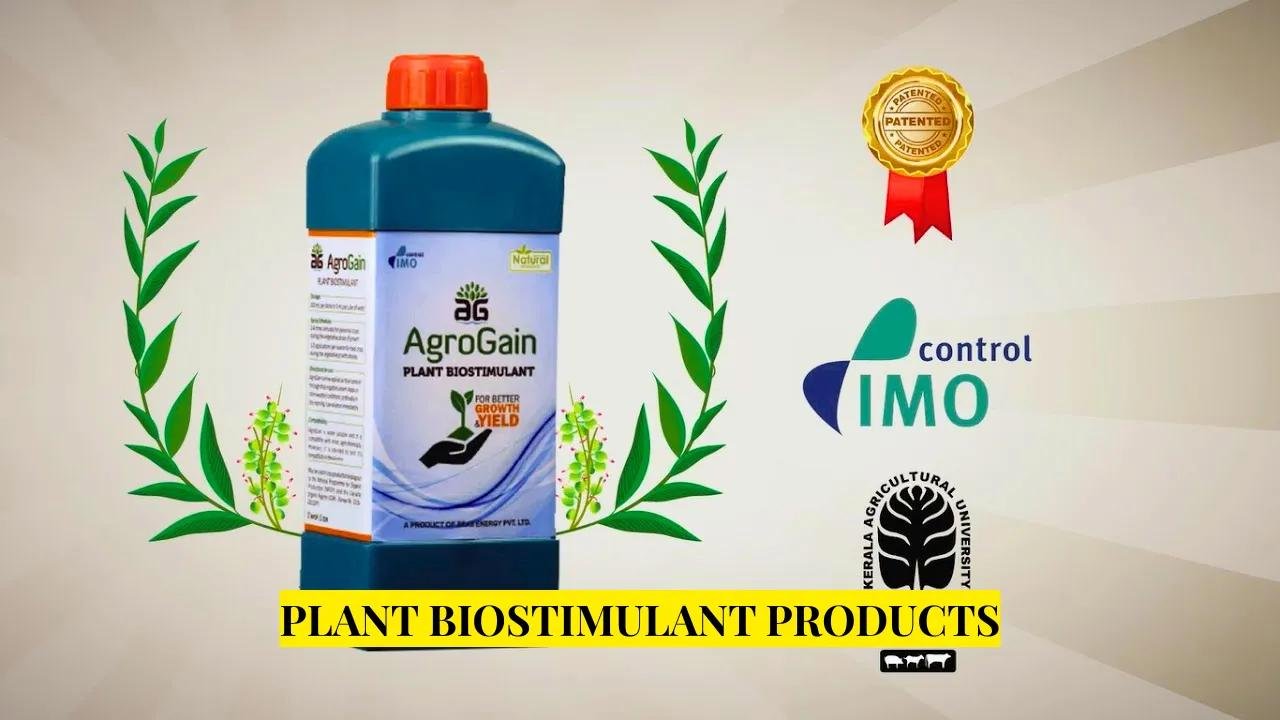
Plant biostimulant products are becoming an important part of modern farming systems across the world. As agriculture faces challenges like climate change, soil degradation, and rising food demand, farmers are increasingly looking for solutions that go beyond traditional fertilizers and pesticides. Biostimulants offer a supportive approach that helps plants perform better naturally, improving growth, resilience, and yield quality.
This article explains what plant biostimulant products are, how they work, their types, benefits, applications, and why they are gaining global attention in sustainable agriculture.
Understanding Plant Biostimulant Products
Plant biostimulant products are materials or microorganisms applied to plants, seeds, or soil to improve natural plant processes. Unlike fertilizers, they do not directly supply essential nutrients like nitrogen or phosphorus. Instead, they enhance the plant’s ability to absorb and use nutrients more efficiently.
According to agricultural research institutions and organizations such as FAO and ICL Group studies, biostimulants improve physiological functions such as root development, photosynthesis efficiency, and stress tolerance.
In simple terms, they act like a “natural performance enhancer” for plants rather than a food source.
How Plant Biostimulants Work
The working mechanism of biostimulants is complex but natural. They interact with plant metabolism and soil biology in multiple ways.
One key function is improving nutrient uptake. Biostimulants help plant roots absorb nutrients more effectively from the soil, reducing waste and improving fertilizer efficiency.
They also activate plant enzymes and hormones that control growth processes. This leads to stronger roots, healthier leaves, and better flowering and fruiting.
Another important role is stress resistance. Plants treated with biostimulants can better tolerate drought, heat, salinity, and other environmental stresses. This is especially important in regions where climate conditions are unpredictable.
Types of Plant Biostimulant Products
Plant biostimulant products come in several forms depending on their source and composition. Each type plays a unique role in plant development.
Seaweed Extracts
Seaweed-based biostimulants are rich in natural growth hormones, minerals, and organic compounds. They are widely used to improve root growth and overall plant vigor.
Humic and Fulvic Acids
These are derived from decomposed organic matter. They improve soil structure and enhance nutrient availability in the root zone.
Amino Acids and Protein Hydrolysates
These compounds provide building blocks for plant proteins and support stress recovery and growth acceleration.
Beneficial Microorganisms
Certain bacteria and fungi improve soil health by supporting nutrient cycling and protecting plants from harmful pathogens.
Plant Extract-Based Biostimulants
These are derived from herbs or plant materials and help regulate growth hormones naturally.
Each type may be used alone or in combination depending on crop requirements and soil conditions.
Key Benefits of Plant Biostimulants
Plant biostimulants are widely used because they provide multiple benefits for both crops and soil.
One major advantage is improved crop yield. When plants absorb nutrients more efficiently and grow stronger root systems, overall productivity increases.
They also improve crop quality. Fruits and vegetables often show better size, color, and shelf life when biostimulants are used properly.
Another important benefit is environmental sustainability. Since biostimulants increase nutrient efficiency, farmers can reduce fertilizer usage, which helps lower environmental pollution.
They also improve soil health by encouraging microbial activity and organic matter breakdown.
Difference Between Biostimulants, Fertilizers, and Pesticides
Many people confuse biostimulants with fertilizers or pesticides, but they are fundamentally different.
Fertilizers directly supply nutrients to plants. For example, nitrogen fertilizers feed plants essential elements for growth.
Pesticides are used to kill or control pests, diseases, and weeds.
Biostimulants, however, do neither. They work indirectly by enhancing plant functions and improving nutrient efficiency.
A simple way to understand this difference is:
- Fertilizers = feed the plant
- Pesticides = protect the plant
- Biostimulants = strengthen the plant’s natural ability
This distinction is important for farmers who want to use integrated crop management systems.
Application of Biostimulant Products in Agriculture
Biostimulants can be applied in several ways depending on crop type and farming system.
One common method is foliar spraying, where the product is applied directly to leaves. This allows quick absorption and fast results.
Another method is soil application, where biostimulants are added to the soil to improve root zone conditions.
Seed treatment is also widely used. Seeds are coated with biostimulants before planting to enhance germination and early growth.
Drip irrigation systems are another modern method where biostimulants are mixed with irrigation water and delivered directly to plant roots.
These flexible application methods make biostimulants suitable for a wide range of crops including cereals, fruits, vegetables, and horticultural plants.
Role in Sustainable Farming
Sustainable agriculture focuses on producing more food while protecting natural resources. Biostimulants play a key role in this approach.
By improving nutrient efficiency, they reduce the need for excessive chemical fertilizers. This helps prevent soil and water pollution.
They also support healthier soil ecosystems by increasing microbial diversity. Healthy soil leads to stronger crops and long-term productivity.
In regions facing water scarcity, biostimulants help plants use water more efficiently, making them highly valuable in drought-prone areas.
Global Market and Industry Growth
The global demand for plant biostimulant products is growing rapidly. Farmers, agronomists, and agricultural companies are increasingly investing in these solutions due to climate challenges and food security concerns.
Europe has been a leading region in biostimulant research and regulation, while countries in Asia, Africa, and the Americas are also expanding their use.
Industry reports suggest that the biostimulant market is expected to grow significantly over the next decade due to increasing demand for sustainable farming practices.
Scientific Research and Evidence
Research on plant biostimulants has been conducted by universities, agricultural institutes, and companies worldwide.
Studies show improvements in crop yield, nutrient absorption, and stress tolerance across various crops including wheat, maize, tomatoes, and grapes.
Organizations like FAO and several European agricultural bodies have recognized biostimulants as a promising tool in sustainable agriculture.
However, scientists also emphasize that effectiveness depends on correct usage, soil conditions, and crop type.
Misconceptions About Biostimulants
Despite their benefits, there are several misconceptions about biostimulants.
One common misunderstanding is that they are a replacement for fertilizers. In reality, they work best alongside proper fertilization programs.
Another misconception is that all biostimulants produce immediate visible results. Some products take time to show effects depending on crop growth stages and environmental conditions.
It is also wrongly assumed that all biostimulants are the same. In fact, their effectiveness depends heavily on composition and quality.
Profile Information (Not Applicable for This Topic)
Some requests ask for personal details like age, height, family, net worth, or social media presence. However, plant biostimulant products are not a person or public figure—they are agricultural inputs used in farming.
Therefore, the following details are not applicable:
- Age: Not applicable
- Height: Not applicable
- Family: Not applicable
- Net Worth: Not applicable
- Social Media Accounts: Not applicable
- Physical Appearance: Not applicable
- Lifestyle: Refers to agricultural usage, not personal life
Instead of personal attributes, what truly matters for biostimulants is their composition, effectiveness, and role in agriculture.
Challenges and Limitations
While biostimulants offer many advantages, they also face certain challenges.
One limitation is variability in results. Their performance can differ based on soil type, climate, and crop variety.
Another challenge is lack of standardization in some regions, making product quality inconsistent.
Farmers also need proper knowledge and training to use them effectively, as incorrect application may reduce benefits.
Future of Plant Biostimulants
The future of biostimulants looks promising as agriculture moves toward more sustainable practices.
With increasing pressure on food production systems, these products are expected to become a key part of integrated crop management strategies.
Advances in biotechnology and soil science will likely lead to more efficient and targeted biostimulant formulations in the coming years.
Conclusion
Plant biostimulant products represent an important innovation in modern agriculture. They do not replace fertilizers or pesticides but instead enhance the plant’s natural ability to grow, absorb nutrients, and resist stress.
As global agriculture continues to face environmental and productivity challenges, biostimulants offer a practical and sustainable solution. Their growing adoption reflects a shift toward smarter, more environmentally friendly farming practices that support both farmers and the planet.
FAQs
Q: What are plant biostimulant products?
A: Plant biostimulant products are natural or microbial substances that improve plant growth, nutrient absorption, and stress tolerance without directly acting as fertilizers or pesticides.
Q: How do plant biostimulant products work?
A: They enhance plant metabolism, improve root development, and increase nutrient efficiency, helping plants grow healthier and stronger.
Q: Are plant biostimulant products the same as fertilizers?
A: No, fertilizers provide nutrients directly, while biostimulant products improve how plants use nutrients already available in the soil.
Q: What crops can use plant biostimulant products?
A: They can be used on cereals, fruits, vegetables, and almost all agricultural crops to improve growth and yield quality.
Q: Are plant biostimulant products safe for the environment?
A: Yes, they are eco-friendly and help reduce chemical fertilizer use, improving soil health and supporting sustainable farming.
