

Introduction
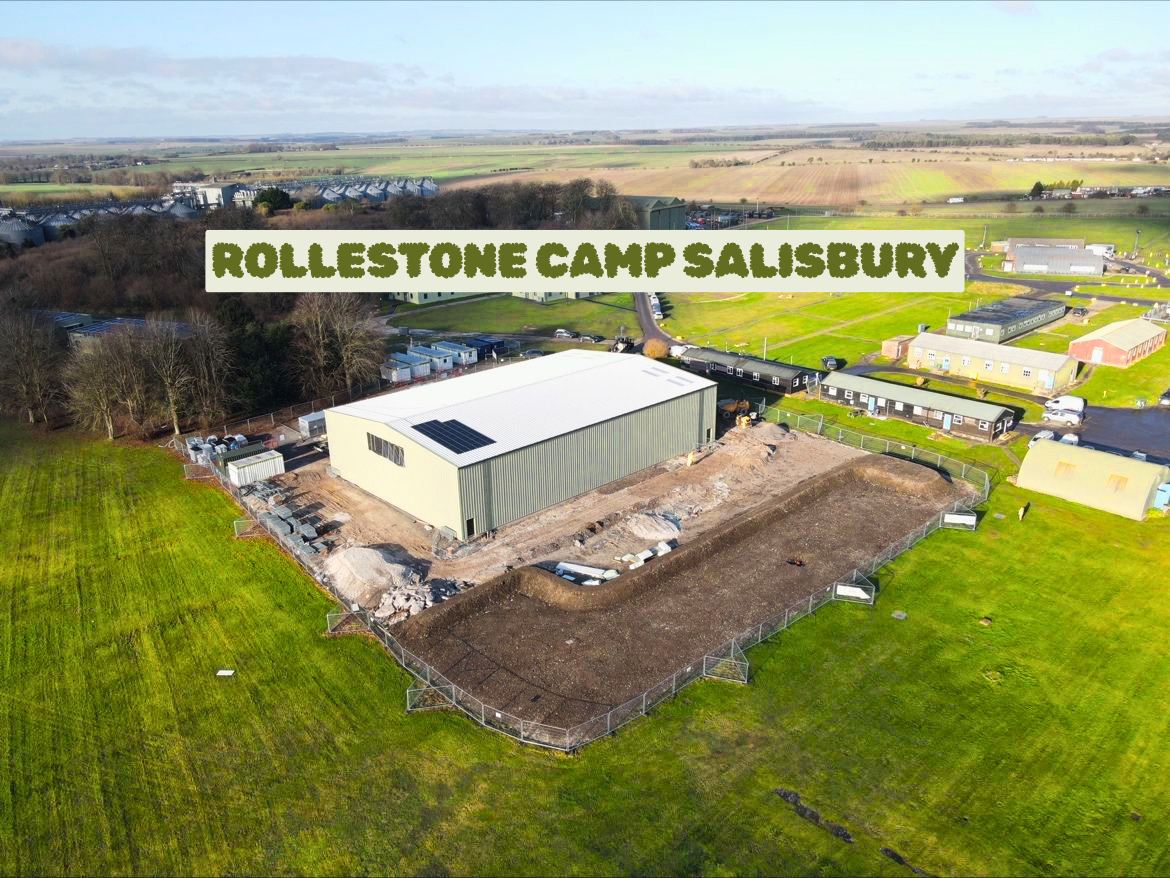
Rollestone Camp Salisbury is one of the most historically significant yet quietly operating military locations in the United Kingdom. Situated within the vast Salisbury Plain Training Area in Wiltshire, England, it has served the British Army in different roles for over a century. Although it remains closed to the public, its importance in military training, operational readiness, and tactical development continues to grow with time.
Unlike civilian military bases that are widely known or open for tours, Rollestone Camp Salisbury exists inside a highly restricted zone. It is primarily used for field training, controlled exercises, and preparation of soldiers for real operational environments. Over time, it has evolved from early aviation-related training grounds into a modern facility supporting advanced infantry and urban warfare simulations.
Location and Strategic Importance
Rollestone Camp Salisbury is located in Wiltshire, within the Salisbury Plain Training Area, which is one of the largest military training zones in Europe. The region is widely known for its open terrain, chalk grasslands, and low population density, making it ideal for large-scale military exercises.
The surrounding area includes villages such as Rollestone, Shrewton, and Amesbury, along with other military installations like Larkhill Camp. One of the most notable landmarks nearby is Stonehenge, which sits only a short distance from the training zone. The close presence of such an ancient heritage site and a modern military training area makes the region uniquely significant both historically and strategically.
Rollestone Camp Salisbury benefits from this geography because it allows soldiers to train in realistic environments that simulate real battlefield conditions, including open terrain movement and tactical positioning.
Early Origins and Military Development
The early history of Rollestone Camp Salisbury dates back to World War I, when military aviation was still developing. During this time, the site was used by the Royal Flying Corps for observation balloon training. These balloons were essential tools for gathering intelligence and monitoring enemy movements from the sky.
At that time, warfare was rapidly changing, and aerial reconnaissance was becoming an important part of military strategy. Rollestone Camp Salisbury played a small but important role in supporting this shift by providing space and infrastructure for early aviation training.
As military technology evolved, the site gradually adapted to new requirements, becoming more integrated into broader defense operations over the following decades.
| Category | Details |
|---|---|
| Name | Rollestone Camp Salisbury |
| Location | Salisbury Plain Training Area, Wiltshire, England |
| Country | United Kingdom |
| Type | Military training camp |
| Managed by | British Army / Ministry of Defence |
| Established | Early 20th century (World War I era) |
| Original Use | Royal Flying Corps observation balloon training |
| WWII Role | RAF support, chemical defense & anti-gas training |
| Cold War Role | Military readiness & large-scale exercises |
| Current Use | Infantry training, tactical drills, urban warfare simulation |
| Access | Restricted military zone (no public access) |
| Nearby Places | Shrewton, Amesbury, Larkhill Camp |
| Famous Nearby Site | Stonehenge |
| Terrain Type | Chalk grassland, open training fields |
| Main Purpose Today | Realistic combat & field training for soldiers |
| Status | Active military training facility |
World War II and Cold War Expansion
During World War II, Rollestone Camp Salisbury expanded its role beyond balloon training. It became involved in chemical defense programs and anti-gas training, reflecting the growing concern over chemical warfare during that era. These training programs were essential for preparing soldiers to operate in hazardous battlefield environments.
In the Cold War period, Salisbury Plain as a whole became a central training ground for the British Army and NATO forces. Rollestone Camp Salisbury was incorporated into larger exercises focused on troop readiness, coordinated movement, and realistic combat simulations.
This period marked an important transformation in its identity, shifting it from a specialized training point into a fully integrated military training environment.
Modern Military Training Role
Today, Rollestone Camp Salisbury is fully integrated into the British Army’s operational training system. It is mainly used for infantry exercises, tactical drills, and field-based training activities designed to prepare soldiers for real-world deployments.
Unlike permanent military bases, it does not host large standing units. Instead, troops rotate in and out depending on scheduled training programs. The surrounding Salisbury Plain environment provides natural terrain variations that make training more realistic and effective.
Soldiers at Rollestone Camp Salisbury participate in navigation exercises, survival training, coordination drills, and simulated combat operations that closely replicate real battlefield conditions.
Urban Warfare and Modern Combat Training
In recent years, military training across the UK has evolved to reflect modern warfare trends. Urban combat has become a major focus, requiring soldiers to operate in complex environments such as cities, buildings, and confined spaces.
At Rollestone Camp Salisbury and nearby facilities, soldiers train in close-quarters combat, building clearance operations, and tactical room entry strategies. These exercises are designed to develop decision-making skills under pressure and improve coordination between units.
This shift toward urban warfare training shows how modern military strategy has changed. Instead of traditional battlefield combat, soldiers must now prepare for unpredictable and highly complex environments.
Daily Life and Training Environment
Life inside Rollestone Camp Salisbury is structured entirely around training operations. It is not a residential settlement but a controlled military environment used for short-term exercises. Personnel typically follow strict schedules that include early briefings, field drills, tactical exercises, and post-operation debriefings.
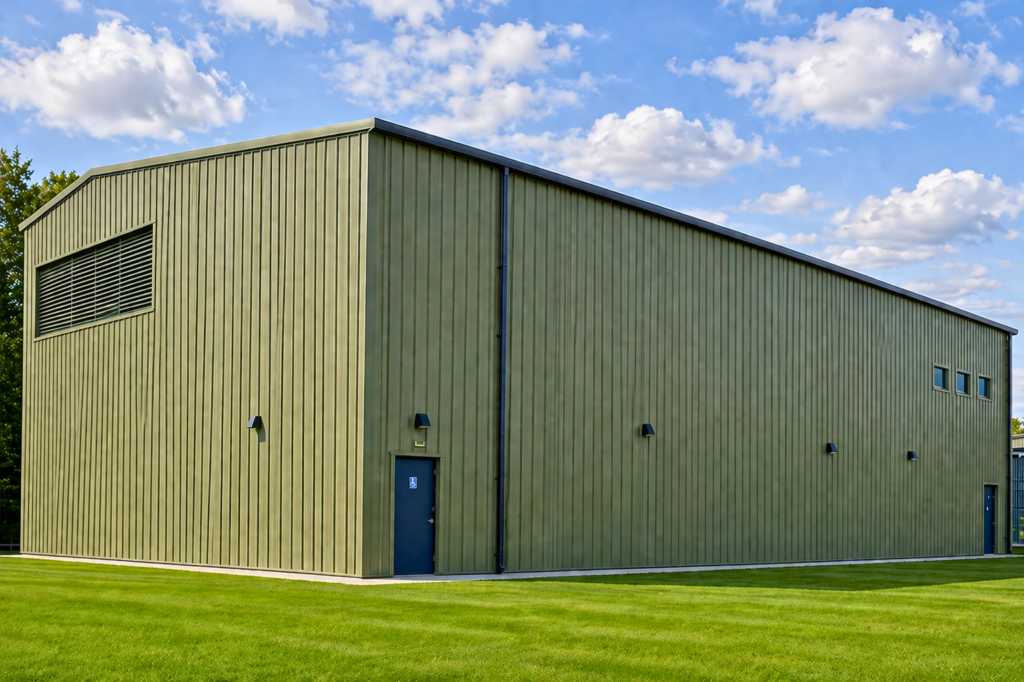
Accommodation within the camp is basic and functional, designed only to support training needs. Movement within the site is controlled due to operational security, and access is strictly limited to authorized personnel.
Everything inside Rollestone Camp Salisbury is designed to ensure efficiency, discipline, and realistic training conditions that reflect actual military operations.
Environmental and Historical Significance
The Salisbury Plain region, where Rollestone Camp Salisbury is located, is not only important for military use but also for environmental and archaeological reasons. It contains rare wildlife habitats, chalk grasslands, and ancient historical sites that date back thousands of years.
Interestingly, military use of the land has helped preserve its natural environment by preventing urban development. Many conservation efforts are carried out alongside military training to protect both wildlife and heritage sites.
The proximity of Stonehenge adds further responsibility, as training activities must be carefully managed to ensure no damage occurs to this world-famous monument.
Restrictions and Public Access
Rollestone Camp Salisbury is located inside a restricted military zone, meaning public access is not allowed. The area is frequently used for live firing exercises and large-scale training operations, which makes it unsafe for civilians.
Warning signs, flags, and temporary closures are used across Salisbury Plain to ensure public safety. While some surrounding areas may be accessible when training is not active, the camp itself remains strictly off-limits.
These restrictions are necessary to maintain safety and operational security for military personnel and the general public.
Importance in National Defence
Rollestone Camp Salisbury plays an important role in strengthening the United Kingdom’s military readiness. It supports infantry training, tactical coordination, field exercises, and large-scale military operations conducted across Salisbury Plain.
Its long history reflects the evolution of modern warfare training, from early aviation reconnaissance during World War I to advanced urban combat preparation today. The camp remains a valuable part of the UK’s defense infrastructure.
Without facilities like Rollestone Camp Salisbury, preparing soldiers for modern combat environments would be significantly more challenging.
Misconceptions and Public Understanding
Because Rollestone Camp Salisbury is not open to the public, it is often misunderstood. Some people assume it is abandoned or inactive, while others confuse it with former temporary prison facilities used in the past. However, it remains an active military training site.
It is also not a tourist destination, and all access is strictly controlled by military authorities. Its purpose is purely operational, focused on training and readiness rather than public engagement.
Conclusion
Rollestone Camp Salisbury stands as a historically rich and strategically important military site within the United Kingdom. From its beginnings in World War I balloon reconnaissance training to its modern role in infantry development and urban warfare simulation, it has continuously adapted to changing military needs.
Today, Rollestone Camp Salisbury remains an essential part of the Salisbury Plain Training Area, contributing to the preparation and effectiveness of British Army forces. Although hidden from public view, its role in national defense is significant, making it a silent but powerful component of Britain’s military infrastructure.
